

Zinc Oxide Safety Data Sheet
2017-07-03
1. Chemical Name: Chinese Name: Zinc Oxide, Zinc White; English Name: Zinc Oxide; Zinc White; Molecular Formula: ZnO; Molecular Weight: 81.37 2. Hazard Overview: Routes of Exposure: Inhalation, Ingestion; Health Hazards: Inhalation of zinc oxide fumes can cause zinc metal fever. Symptoms include metallic taste in the mouth, thirst, dry throat, loss of appetite, tightness in the chest, dry cough, headache, dizziness, muscle aches, high fever and chills. Large amounts of zinc oxide dust can block sebaceous glands and cause skin papules and eczema. Fire and Explosion Hazard: This product is non-flammable. 3. First Aid Measures: Skin Contact: Wash with soap and water
1. Chemical Name:
Chinese Name: Zinc oxide; Zinc white
English Name: Zinc oxide; Zinc white
Molecular Formula: ZnO
Molecular Weight: 81.37
2. Hazard Overview
Routes of entry: Inhalation, Ingestion
Health hazards: Inhalation of zinc oxide dust can cause zinc foundry fever. Symptoms include metallic taste in the mouth, thirst, dry throat, loss of appetite, tightness in the chest, dry cough, headache, dizziness, muscle aches, high fever and chills. Large amounts of zinc oxide dust can block sebaceous glands and cause skin papules and eczema.
Fire and explosion hazard: This product is non-flammable.
3. First Aid Measures
Skin contact: Wash thoroughly with soap and water. Seek medical attention.
Eye contact: Hold eyelids open and rinse with running water for 15 minutes. Seek medical attention.
Inhalation: Remove from the scene to fresh air. Seek medical attention.
Ingestion: If swallowed, drink milk, soy milk or egg white, and induce vomiting. Seek medical attention.
4. Fire Fighting Measures
Hazardous properties: Reacts violently with magnesium and linseed oil. Mixtures with chlorinated rubber may explode when heated above 215℃. Decomposes when exposed to high heat, releasing toxic fumes.
Hazardous combustion products: Zinc oxide.
Extinguishing methods and extinguishing agents: Firefighters must wear full fire and toxic protective clothing and extinguish the fire from the upwind side. Non-flammable. Firefighting media available around the fire scene.
5. Emergency Response for Spills
Emergency response: Isolate the spill area and set up warning signs. Emergency responders are advised to wear masks, goggles, and work clothes. Carefully sweep up, avoiding dust, and bury deeply in an open area. It can also be washed away with plenty of water, and the diluted wash water can be discharged into the wastewater system. In case of large spills, collect, recycle or dispose of harmlessly after treatment.
6. Handling and Storage
Handling precautions: Closed operation, local exhaust. Operators must be specially trained and strictly follow operating procedures. Operators are advised to wear self-priming filter dust masks, chemical safety goggles, anti-toxic work clothes, and latex gloves. Avoid dust generation. Avoid contact with oxidants. Handle with care during transportation to prevent damage to packaging. Equip with emergency spill handling equipment. Empty containers may contain harmful substances.
Storage precautions: Store in a cool, ventilated warehouse. Keep away from fire and heat sources. Should be stored separately from oxidants, and must not be mixed. The storage area should be equipped with suitable materials to contain leaks.
7. Exposure Controls/Personal Protection
Maximum allowable concentration: China MAC: 5mg/m3 Former Soviet Union MAC: 0.5mg/m3 US TLV-TWA: 5mg/m
Engineering controls: Closed operation, local exhaust.
Respiratory protection: Workers are advised to wear dust masks.
Eye protection: Safety goggles can be used if necessary.
Body protection: Wear tight-sleeved work clothes and long rubber boots.
Hand protection: Wear protective gloves.
Other protection: No smoking, eating or drinking is allowed at the workplace. Shower and change clothes after work. Pay attention to personal hygiene.
8. Physical and Chemical Properties
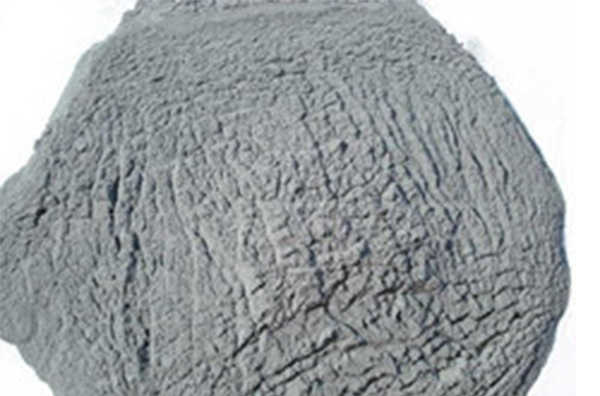
Appearance and properties: White hexagonal crystals or powder, odorless.
Melting point (℃): 1975
Relative density (water=1): 5.606
Molecular formula: ZnO
Molecular weight: 81.37
Solubility: Insoluble in water and ethanol, soluble in acids, sodium hydroxide solution and ammonium chloride.
Main uses: Used as a pigment in paints and a filler in rubber. In medicine, it is used to make ointments, zinc paste, and rubber plasters.
9. Stability and Reactivity
Stability: Stable at normal temperature and pressure
Incompatible materials: Strong oxidants.
Polymerization hazard: Cannot occur
Decomposition products: Natural decomposition products are unknown.
10. Toxicological Data
Acute toxicity: LD50: 7950mg/kg (oral, mouse) LC50:
11. Waste Disposal
Waste disposal method: Dispose of by safe burial.
12. Transportation Information
Packaging method:
Transportation precautions: Store in a cool, ventilated warehouse. Keep away from fire and heat sources. Keep the container sealed and store separately from oxidants and edible chemical raw materials. Handle with care during transportation to prevent damage to packaging and containers. Pay attention to personal protection during decanting and handling operations.
13. Regulatory Information
Domestic chemical safety regulations: Regulations on the Safe Management of Hazardous Chemicals (issued by the State Council on February 17, 1987), Detailed Rules for the Implementation of Regulations on the Safe Management of Hazardous Chemicals (No. 677, issued by the Ministry of Chemical Industry in 1992), and Regulations on the Safe Use of Chemicals in the Workplace (No. 423, issued by the Ministry of Labor in 1996), etc. These regulations stipulate the safe use, production, storage, transportation, and loading and unloading of hazardous chemicals.
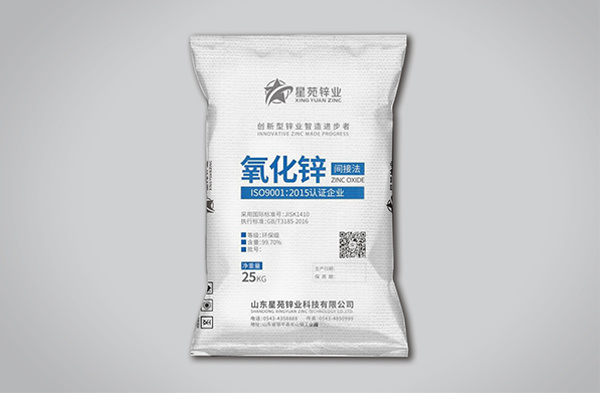
Xingyuan Zinc Technology CO., LTD.
Address: Shandong Zouping County Changshan Town Houhuai Village
General Manager:+8618763028888 (Sun Dongsheng)
Sales Department:+86-543-4358888
Fax:0543-4850999
E-mail:xingyuanchem@163.com
Website:www.sdxyxy.com


扫一扫查看官方网站