

Zinc oxide production process, preservation method and application fields using indirect method
2021-07-22
Production method of indirect zinc oxide: The production method of indirect zinc oxide is as follows: Electrolytically produced zinc ingots are placed in a high-temperature crucible and heated to 600-700℃ to melt. At a temperature higher than 907℃ (usually around 1000℃), the zinc is evaporated to form zinc vapor. The vapor is oxidized by oxygen in the air to generate zinc oxide. The oxidation process releases flashes of light, accompanied by a temperature drop. Subsequently, the zinc oxide particles are collected in a dust collection chamber through a cooling transport pipe, separated by cyclone separation, and the fine particles are captured by a bag filter to produce finished zinc oxide. This is the method for producing indirect zinc oxide.
Production method of indirect zinc oxide
The production method of indirect zinc oxide is as follows: Electrolytically produced zinc ingots are placed in a high-temperature crucible and heated to 600-700℃ to melt. At a temperature above 907℃ (usually around 1000℃), the zinc evaporates to form zinc vapor. The vapor is oxidized by oxygen in the air to produce zinc oxide. The oxidation process releases flashes of light, accompanied by a temperature drop. Subsequently, the zinc oxide particles are collected in a dust collection chamber through a cooling transport pipe, separated by cyclones, and the fine particles are captured by a bag filter to produce finished zinc oxide. This is the method for producing indirect zinc oxide.
This indirect zinc oxide synthesis method was popularized by the Frenchman Leclaire in 1844, so this method is also known as the "French method". The indirect zinc oxide obtained by this method is usually zinc oxide particles with a particle size of 0.1-10 microns. Most of the zinc oxide in the world is produced by this method.
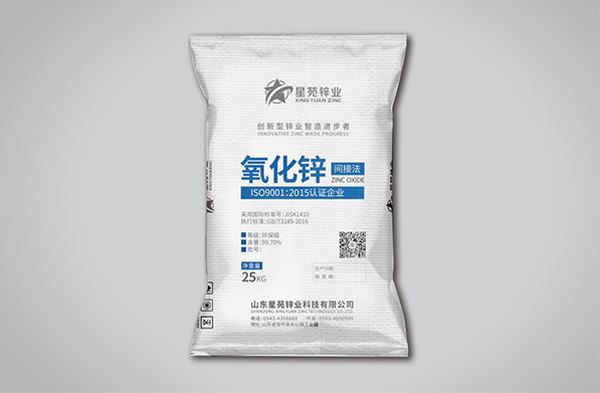
Indirect zinc oxide can be used in the rubber, rheostat, coatings, phosphating liquid, film, thermal conductive materials, and catalyst industries. With low heavy metal content, it can also be used in animal husbandry feed, medicine, and healthcare industries.
Storage of indirect zinc oxide
It is packaged in plastic-lined cardboard or iron drums and stored in a cool, ventilated warehouse. Keep indirect zinc oxide away from fire and heat sources. It should be stored separately from acids, alkalis, magnesium powder, aluminum powder, chlorinated rubber, linseed oil, food, etc., and must not be mixed or transported together. The storage area should be equipped with appropriate leak-proof materials. Precautions for shipping indirect zinc oxide: The packaging should be complete and reliable during shipping. During transportation, ensure that the containers do not leak, collapse, fall, or damage. It is forbidden to mix the product with oxidants during transportation. During transportation, protect it from sun exposure, rain, and high temperatures.
What are the uses of indirect zinc oxide?
Indirect zinc oxide is the main method for producing zinc oxide. The heavy metal content of zinc ingots or zinc slag directly affects the heavy metal impurity content of the product, with low heavy metal content. Uses of indirect zinc oxide powder: rubber, plastics and rubber, coatings, matches, chemical fibers, paints, ceramics, glass, medicine, food, feed, papermaking, catalysts, phosphating liquid, cosmetics, fine chemicals, rubber foaming, petroleum refining, high-energy storage batteries, natural gas desulfurization, silicate products, zinc oxide lightning arresters, metal surface treatment, and electronic magnetic materials.
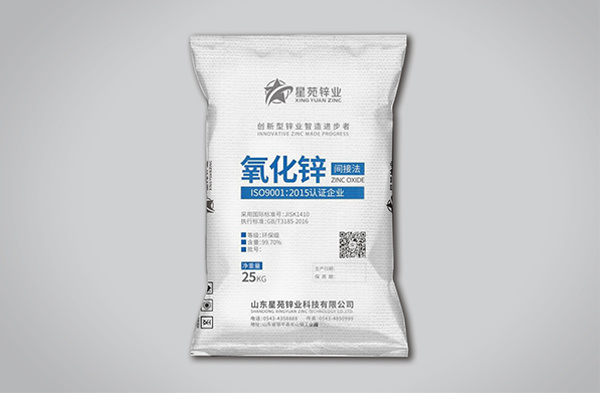
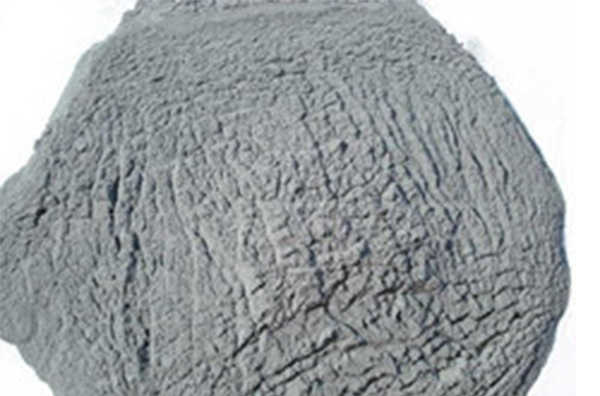
Xingyuan Zinc Technology CO., LTD.
Address: Shandong Zouping County Changshan Town Houhuai Village
General Manager:+8618763028888 (Sun Dongsheng)
Sales Department:+86-543-4358888
Fax:0543-4850999
E-mail:xingyuanchem@163.com
Website:www.sdxyxy.com


扫一扫查看官方网站