

Development and market prospects of zinc oxide in phosphating fluid
2021-11-24
Zinc oxide phosphide is a chemical additive widely used in the production of plastics, silicate products, synthetic rubber, lubricating oils, paints, ointments, adhesives, food, batteries, flame retardants, and other products. Currently, there are three main production methods for zinc oxide phosphide: the direct method, the impregnation method, and the indirect method. In recent years, the production capacity of zinc oxide phosphide has grown rapidly, especially the development of the indirect method of zinc oxide...
Relatively speaking, zinc oxide is not a new product, but it is a very important component in footwear, especially foam shoe materials. First, before introducing zinc oxide in phosphating liquid, let's understand what zinc oxide is. Zinc oxide is an oxide of zinc. It is insoluble in water but soluble in acids and strong alkalis. Zinc Oxide in Phosphating Liquid It is a chemical additive widely used in the production of plastics, silicate products, synthetic rubber, lubricating oil, paints, ointments, adhesives, food, batteries, flame retardants, and other products.
I. Current Status of Zinc Oxide in Phosphating Liquid Industry:
Currently, there are three main production methods for zinc oxide in phosphating liquid: the direct method, the impregnation method, and the indirect method.
1. Direct Method
Zinc oxide in phosphating liquid is obtained by calcining zinc carbonate, and it is obtained through the calcination decomposition of zinc hydroxide. It is made by smelting crude zinc oxide and then oxidizing it with high-temperature air.
2. Indirect Method
Zinc powder (or zinc-containing materials), smokeless coal (or coke), and limestone are prepared into balls at a ratio of 1:0.5:0.05. After smelting at 1300℃ reduction, the zinc oxide in the ore powder is reduced to zinc vapor, which re-enters air oxidation. The generated zinc oxide is captured to produce finished zinc oxide in phosphating liquid.
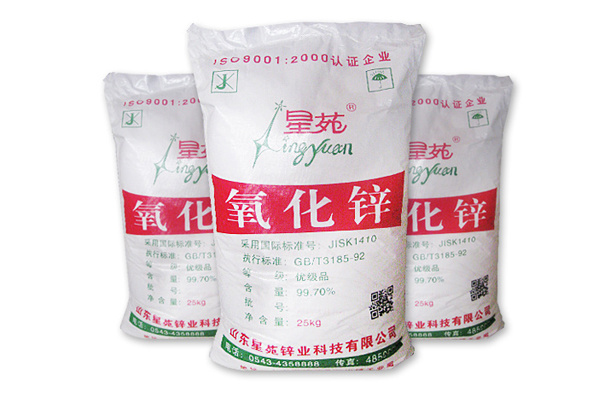
3. Impregnation Method
Using the reaction of zinc with sulfuric acid to generate zinc sulfate, and using zinc carbonate and zinc hydroxide generated by reacting with sodium carbonate and ammonia respectively as raw materials for manufacturing. Zinc Oxide in Phosphating Liquid 。
In recent years, the production capacity of zinc oxide in phosphating liquid has rapidly increased, especially the development of indirectly produced zinc oxide, mainly due to the rapid development of China's automobile industry and high-speed railways, power grids, home appliances, and digital communications. Indirectly produced zinc oxide should be used, especially in the past 3 years, China's automobile sales have continued to rise. According to the China Association of Automobile Manufacturers, China produced a cumulative 18.4189 million vehicles in 2011, a year-on-year increase of 0.8%, and sold 18.5051 million vehicles, a year-on-year increase of 2.5%, leading to the rapid development of indirectly produced zinc oxide.
At the same time, international and domestic magnetic materials have also developed rapidly, especially the production of soft magnetic materials. Currently, China has become the world's largest manufacturing base for ferrite magnetic materials. In zinc ferrite, zinc oxide is the main raw material, and high-end soft magnetic materials require high-grade zinc oxide of the barister grade produced by the indirect method. The development of magnetic materials has further promoted technological progress in the production of high-quality zinc oxide.
And the nanoparticles Zinc Oxide in Phosphating Liquid With their special functions, they have once again triggered national research and development of nano zinc oxide. In fact, only a few companies can produce nano zinc oxide products. The research on functional zinc oxide and nano zinc oxide has ultimately promoted the development and technological progress of the zinc oxide in phosphating liquid industry. With the continuous increase in the price of zinc ingots, the prospect of active zinc oxide is good, focusing on how to utilize resources, save resources, and save costs. In recent years, wet-process zinc oxide has made significant progress, and this development trend is expected to continue for a long time.
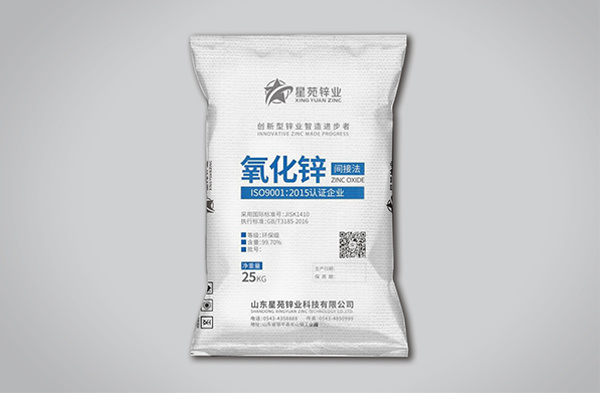
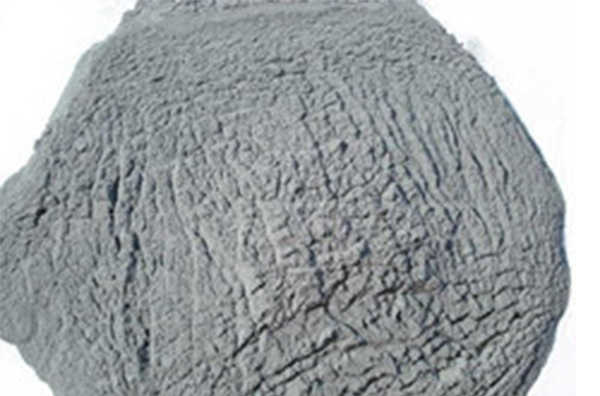
Xingyuan Zinc Technology CO., LTD.
Address: Shandong Zouping County Changshan Town Houhuai Village
General Manager:+8618763028888 (Sun Dongsheng)
Sales Department:+86-543-4358888
Fax:0543-4850999
E-mail:xingyuanchem@163.com
Website:www.sdxyxy.com


扫一扫查看官方网站