

Zinc oxide manufacturers for phosphating solutions: What influences the price of zinc oxide for phosphating solutions and its sun protection mechanism?
2022-05-18
Zinc oxide in phosphating liquid is mainly used in the manufacturing of various batteries and plates, as well as flame retardant additives and rubber vulcanization accelerators. Due to its good insulation and heat resistance (it does not melt at high temperatures), it is widely used in many fields. So, what are the factors affecting the price of zinc oxide in phosphating liquid? Generally speaking, raw material costs account for about 60% of the total cost, labor costs account for 20-30%, and product quality determines market conditions...
Zinc oxide manufacturers for phosphating solutions: What are the factors affecting the price of zinc oxide in phosphating solutions?
Zinc oxide for phosphating solutions Mainly used in the manufacturing of various storage batteries and plates, as well as flame retardant additives and rubber vulcanization accelerators. Due to its good insulation and heat resistance (it does not melt at high temperatures), it is widely used in many fields. So what are the factors that affect Zinc oxide for phosphating solutions the price?
Generally speaking, raw material costs account for about 60% of the total cost, labor costs account for 20-30%, and product quality determines market conditions. Therefore, manufacturers will determine their procurement direction based on their own resources and adjust their supply channels to reduce the operational risks of production enterprises. Currently, zinc oxide is in a period of similar economic development levels both domestically and internationally.
1. Metal content: The grade of raw ore and impurities purchased by different manufacturers will directly or indirectly cause price fluctuations in zinc oxide.
2. External transportation costs: If collisions and damage occur during transportation, the price of zinc oxide may fluctuate.
3. Import tariffs and domestic customs clearance fees, etc. This part of the zinc oxide price is calculated based on the quantity of zinc oxide.
4. Market supply and demand conditions. When the amount of zinc oxide on the market is too small, the price of zinc oxide will rise slightly; otherwise, the price will fall.
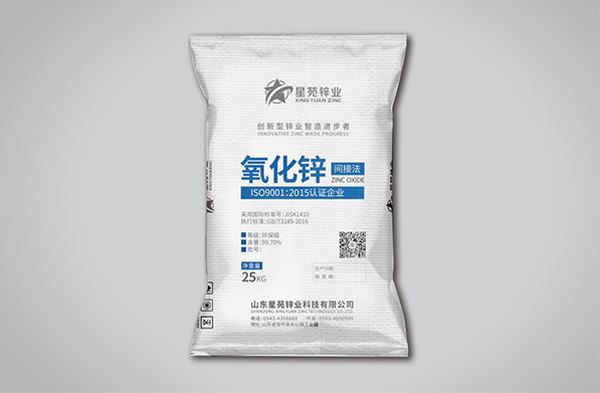
Zinc oxide manufacturers for phosphating solutions: The sun protection mechanism of zinc oxide in phosphating solutions
Zinc oxide for phosphating solutions It is an important and widely used physical sunscreen. The principle of shielding ultraviolet rays is absorption and scattering. Zinc oxide is an N-type semiconductor. Electrons in the valence band can accept the energy of ultraviolet light to transition, which is the principle of its absorption of ultraviolet light. The function of scattering ultraviolet light is related to the particle size of the material. When the size is much smaller than the wavelength of ultraviolet light, the particles can scatter ultraviolet light in all directions, thereby reducing the intensity of ultraviolet light in the irradiation direction. In addition, if the particle size of the raw material is too large, unnatural whitening will occur when applied to the skin. Therefore, nanoparticles have obvious advantages over ordinary particles.
Nano zinc oxide is a stable compound with a wide range of antibacterial, anti-inflammatory, and ultraviolet-resistant capabilities. In the evaluation of sunscreens in various countries, it is almost a safe and effective ingredient. However, their extremely small size gives them high chemical activity, which may be absorbed by the human body, posing potential hazards to human health and the environment. Therefore, the use of nano zinc oxide is still controversial, and indirect zinc oxide, Zinc oxide for phosphating solutions , and zinc oxide for glass also had controversies in their early use.
In addition, when you apply sunscreen, wash your face or swim, or use lipstick with sunscreen factors, you may directly ingest the nano-level sunscreen contained in it, allowing the human body to directly absorb it. Whether nanoparticles can directly enter the blood through the skin is still controversial. However, some people believe that human skin is much thicker than lips, eyelids, inner thighs, armpits, etc. If the absorption rate of damaged skin is different, they will quickly conclude that the absorption rate of these particles is almost zero.
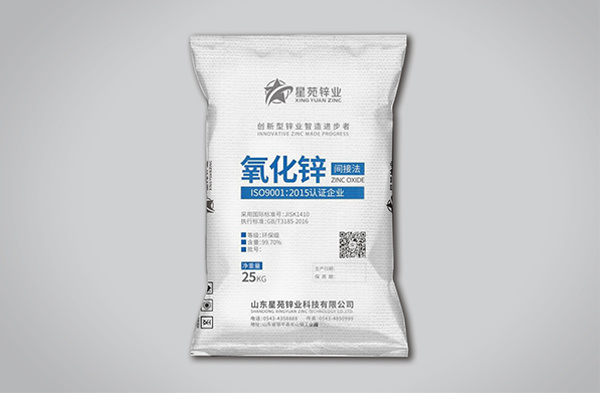
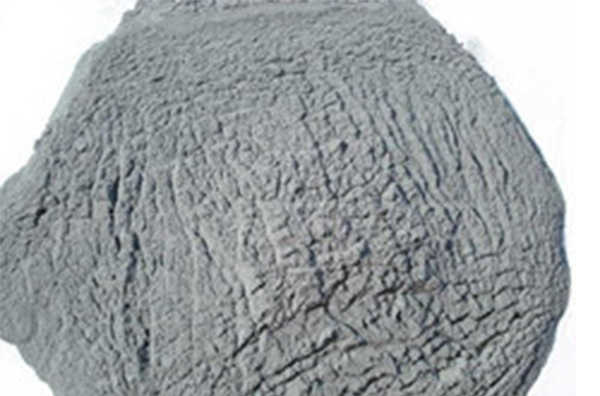
Xingyuan Zinc Technology CO., LTD.
Address: Shandong Zouping County Changshan Town Houhuai Village
General Manager:+8618763028888 (Sun Dongsheng)
Sales Department:+86-543-4358888
Fax:0543-4850999
E-mail:xingyuanchem@163.com
Website:www.sdxyxy.com


扫一扫查看官方网站