

Zinc oxide manufacturer details the uses and applications of zinc oxide
2023-01-13
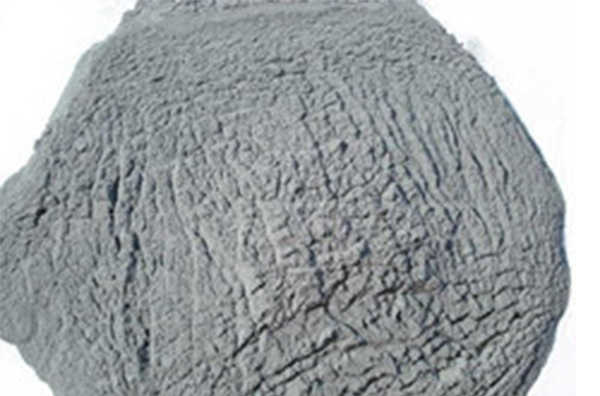
Zinc oxide is an inorganic compound, a white powdery substance insoluble in water and alcohol, but soluble in most acids (including hydrochloric acid). Zinc oxide is known to react violently with aluminum and magnesium powder. Zinc oxide manufacturers indicate that another interesting property of this inorganic compound is its ability to absorb ultraviolet light. In addition, it has bonding, luminescence, high thermal conductivity, and antibacterial properties. It has many uses in modern society. It is widely used in the industrial, pharmaceutical, and cosmetic industries.
Zinc oxide is an inorganic compound; it is a white powdery substance, insoluble in water and alcohol but soluble in most acids (including hydrochloric acid). Zinc oxide is known to react violently with aluminum and magnesium powder. Zinc oxide manufacturers state that another interesting property of this inorganic compound is its ability to absorb ultraviolet rays. Additionally, it possesses adhesive, luminescent, high thermal conductivity, and antibacterial properties. It has many uses in modern society. It is widely known to be used extensively in the industrial, pharmaceutical, and cosmetic industries.
Zinc oxide manufacturers point out that one of the main industrial uses of zinc oxide is in rubber production. It is used to activate vulcanization, improving the strength and elasticity of rubber. It is also used in concrete production as it helps improve the water resistance of concrete and shortens the processing time required. Another important use of this inorganic compound is as a cigarette filter. It can remove some toxic compounds without affecting the taste of tobacco. Besides this, some other notable uses include the production of paints, anticorrosive coatings, lubricants, adhesives, batteries, flame retardants, sealants, plastics, ceramics, cement, and glass manufacturing.
1. Medical Uses
As mentioned earlier, zinc oxide has antibacterial properties, and therefore it is widely used in the treatment of various skin conditions. Used as an external ointment, it helps soothe skin, diaper rash, minor, dry, and chapped skin. Due to its medicinal properties, it is also added to baby powder, anti-dandruff shampoos, antibacterial ointments, and surgical tapes. Besides iron oxide, it is also used to produce calamine lotion. On the other hand, mixed with eugenol forms zinc oxide eugenol, a restorative and filling agent in dentistry.
Zinc oxide manufacturers state that zinc oxide's ability to treat itching and skin makes it a significant component of many rectal suppositories used to relieve discomfort. Besides this, it is also a source of mineral nutrition, with zinc being essential for many biochemical needs of the human body. It is also added to food or vitamin supplements as a source of zinc. Zinc supports immune system health and is involved in DNA synthesis.
2. Applications in the Cosmetics Industry
Zinc oxide manufacturers state that the main use of zinc oxide in the beauty industry is in the formulation of sunscreens. It absorbs the sun's ultraviolet rays, therefore preventing sunburn and other damages caused by UV rays. It is one of the broad-spectrum UV absorbers and has been approved by the U.S. Food and Drug Administration for use in sunscreens. Additionally, it is used in the production of mineral cosmetics, deodorants, and soaps.
Zinc oxide manufacturers state that these are some of the notable uses of zinc oxide. However, exercise caution when using zinc oxide, as it is generally not recommended to use this medication on severe wounds. Also, avoid getting it in your mouth and eyes. Another thing to note is that while not toxic in itself, inhaling its fumes is a high risk.
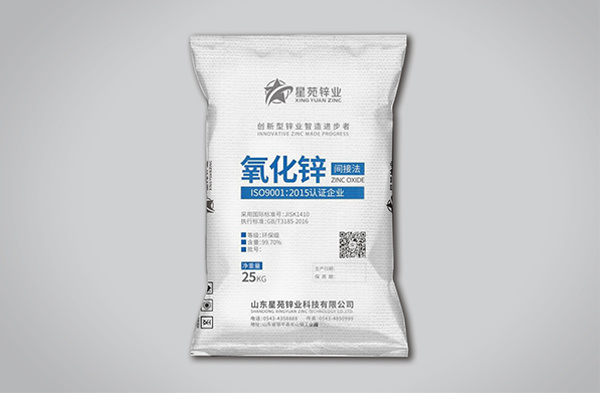
Xingyuan Zinc Technology CO., LTD.
Address: Shandong Zouping County Changshan Town Houhuai Village
General Manager:+8618763028888 (Sun Dongsheng)
Sales Department:+86-543-4358888
Fax:0543-4850999
E-mail:xingyuanchem@163.com
Website:www.sdxyxy.com


扫一扫查看官方网站