

Characteristics of zinc oxide, explained by a zinc oxide manufacturer
2023-05-11
Zinc oxide manufacturers believe that zinc oxide is an important branch of the inorganic chemical zinc salt series. As a basic chemical raw material, zinc oxide has a wide range of uses. With the development of science and technology, many properties of zinc oxide have been re-recognized.
Zinc oxide manufacturers believe that zinc oxide is an important branch of the inorganic chemical zinc salt series. As a basic chemical raw material, zinc oxide has a wide range of uses. With the development of science and technology, many properties of zinc oxide have been re-recognized. The characteristics and functions of zinc oxide have been developed and applied in new scientific fields and industries, becoming an indispensable basic chemical raw material and new material in national economic construction. For example, nano zinc oxide is called a new material of the 21st century. Zinc oxide is mainly divided into indirect zinc oxide, direct zinc oxide and wet zinc oxide. It is mainly used in rubber electronics, medical coatings and other industries, especially high-end products in rubber electronics and other industries mostly use indirect zinc oxide with a purity of up to 99.7%; mid-range products use direct zinc oxide with a purity of over 95%; direct method production of oily coatings mostly contain lead and zinc oxide.
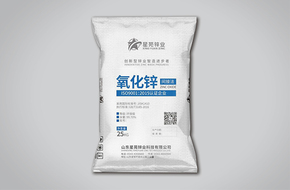
Zinc oxide manufacturers believe that zinc oxide can be divided into indirect zinc oxide, direct zinc oxide and active zinc oxide according to different production methods.
Direct zinc oxide uses zinc ore, zinc ash, and zinc concentrate as raw materials, which are roasted at high temperatures, then reduced with coal into zinc vapor, and zinc oxide is obtained by oxidizing zinc vapor with hot air. The purity of this process product is generally between 75% and 95%, and the impurity content is relatively high.
Zinc oxide manufacturers believe that the raw material of indirect zinc oxide is zinc ingots or zinc slag obtained by smelting. Zinc is converted into zinc vapor in a graphite crucible at a high temperature of 1000°C, and then oxidized by the air blown in to form indirect zinc oxide, and zinc oxide particles are collected after cooling the test tube.
The indirect method was promoted by the French scientist Leclerc in 1844. The indirect method zinc oxide production process is simple, and the cost is greatly affected by raw materials. The particle diameter of zinc oxide produced by the indirect method is 0.1 ~ 10 μm, and the purity is between 99.5% and 99.7%. The higher the purity, the heavier the unit mass.
Zinc oxide manufacturers believe that active zinc oxide has the characteristics of large specific surface area and surface energy, and is easy to agglomerate. On the other hand, active zinc oxide has strong surface polarity and is difficult to disperse uniformly in organic media, which greatly limits its nano effect. Therefore, the dispersion and surface modification of active zinc oxide have become necessary treatment methods before nano materials are applied to the matrix.
In recent years, it has been found that active zinc oxide exhibits many special functions in catalysis, optics, magnetism, and mechanics, with special properties and applicability that ordinary zinc oxide cannot match. Due to the excellent performance and attractive application prospects of nano zinc oxide, the research and development of nano zinc oxide has become the focus of many scientific and technological workers.
The above is some knowledge about zinc oxide. I hope everyone can carefully learn and understand the relevant knowledge, choose products and equipment that suit their own needs, and ensure their own efficiency.
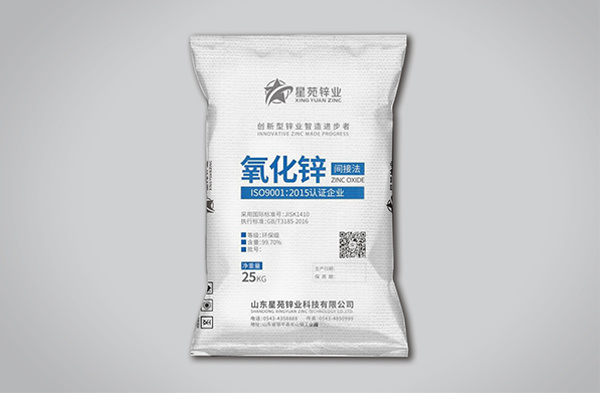
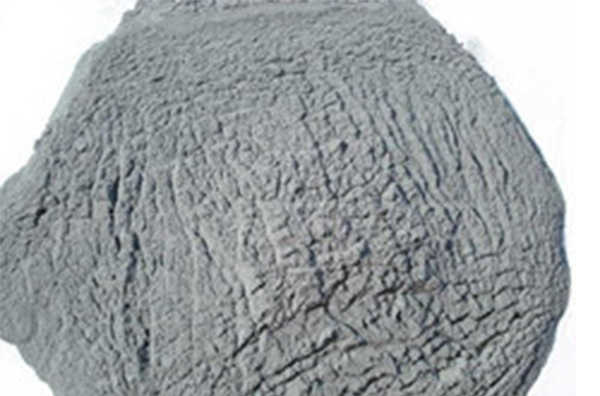
Xingyuan Zinc Technology CO., LTD.
Address: Shandong Zouping County Changshan Town Houhuai Village
General Manager:+8618763028888 (Sun Dongsheng)
Sales Department:+86-543-4358888
Fax:0543-4850999
E-mail:xingyuanchem@163.com
Website:www.sdxyxy.com


扫一扫查看官方网站