

Comparison of commonly used raw materials for white pigments
2017-06-17
Common raw materials for white pigments include lead white, zinc white, and titanium white. Lead white, chemically known as lead carbonate, offers excellent covering power in oil painting. Lead white powder is often used as a base material. Lead white is currently the best white pigment in oil paints. Pure lead white is very stable; however, impurities may cause yellowing over time. Lead white oil paints dry quickly, forming a solid color layer. It is one of the best whites in traditional European oil paints and has been used by many master painters. However, lead white is highly toxic. Even inhaling lead white dust can have serious consequences, making its grinding dangerous. Most commercially produced white oil paints now use zinc white.
Common raw materials for white pigments include lead white, zinc white, and titanium white.
Lead white's chemical composition is lead carbonate. It has good covering power when used in oil painting. Lead white powder is often used as a base material. Lead white is currently the best white pigment in oil paints; pure lead white is very stable. If the composition is impure, it will turn yellow over time. Lead white oil paints dry quickly, and the paint layer is firm after drying. It is one of the best whites in traditional European oil paints, and many oil painting masters have used it. However, lead white is highly toxic; even inhaling dust containing lead white can have serious consequences, so grinding lead white can be dangerous. Most white oil paints produced today are zinc white, titanium white, or zinc titanium white.
Zinc white's chemical composition is zinc oxide, also known as zinc oxide powder. Zinc white powder is slightly lighter than lead white powder, whiter than lead white, and remains unchanged and stable over time. The paint layer is relatively firm after drying, but it absorbs more oil, its covering power is not as strong as lead white, it dries more slowly, and it is brittle and prone to cracking. European painters only began using zinc white pigments from 1840. Zinc white turns lemon yellow when heated (under direct sunlight) and returns to white when cooled. Zinc white is non-toxic, appears colder than lead white, and has a bluish tint.
Titanium white's chemical composition is titanium oxide. It is an inert pigment, unaffected by climate conditions, and has strong covering power. It is a pigment produced in modern times. Pure titanium white dries quickly, but it is prone to yellowing after drying, so it is often mixed with zinc white. Zinc titanium white reduces the brittleness of zinc white and improves the shortcomings of using titanium white alone. Titanium white, like zinc white, is non-toxic. Zinc titanium white is currently a widely used white pigment in China, and zinc oxide is the main raw material in zinc white.
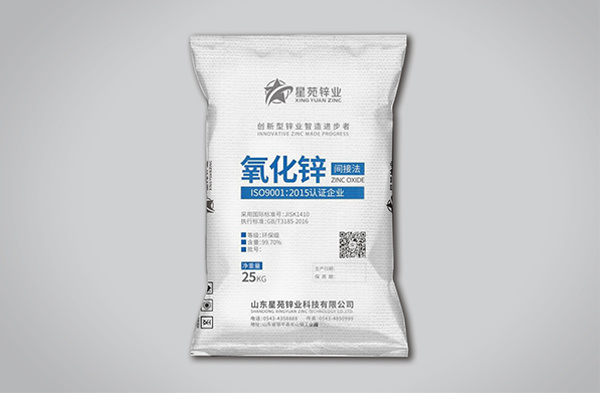
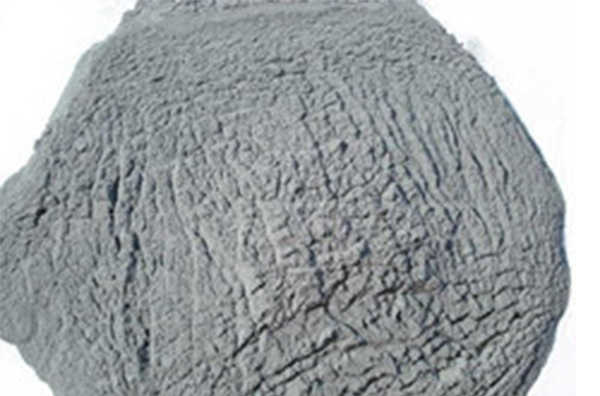
Xingyuan Zinc Technology CO., LTD.
Address: Shandong Zouping County Changshan Town Houhuai Village
General Manager:+8618763028888 (Sun Dongsheng)
Sales Department:+86-543-4358888
Fax:0543-4850999
E-mail:xingyuanchem@163.com
Website:www.sdxyxy.com


扫一扫查看官方网站