

A zinc oxide factory discusses the application history of zinc oxide with you
2017-05-25
Humans learned to use zinc oxide as a coating or external medicine in ancient times, but the history of human discovery of zinc oxide is difficult to trace. In the ancient Indian medical work "Charaka Samhita", a drug later identified as zinc oxide is recorded, used to treat eye diseases and trauma. In the 1st century AD, the Greek physician Dioscorides also mentioned the use of zinc oxide in ointments. Avicenna's "Canon of Medicine", completed in 1025, describes zinc oxide as the preferred drug for treating various skin diseases, including skin cancer. Today, zinc oxide is no longer used to treat skin cancer, but it is still widely used for other common skin conditions. The Romans as early as the 1st century AD
Humans learned to use zinc oxide as a paint or external medicine in ancient times, but the history of its discovery is difficult to trace. Ancient Indian medical texts, such as the Charaka Samhita, describe a medicine later identified as zinc oxide, used to treat eye diseases and external injuries. In the 1st century AD, the Greek physician Dioscorides also mentioned using zinc oxide in ointments. Avicenna's "Canon of Medicine," completed in 1025, described zinc oxide as the preferred medicine for various skin diseases, including skin cancer. Today, zinc oxide is no longer used to treat skin cancer, but it is still widely used for other common skin conditions. Romans as early as 200 BC learned to make brass by reacting copper with zinc ores containing zinc oxide. Zinc oxide turned into zinc vapor in a blast furnace, reacting in the flue. Dioscorides also described this process. From the 12th century onwards, Indians recognized zinc and zinc ores and began to smelt zinc in a primitive way. Zinc smelting technology was introduced to China in the 17th century. In 1743, the first zinc smelter in Europe was established in Bristol, England. Another major use of zinc oxide in ancient and modern times is as a paint, known as zinc white. In 1834, zinc white was first used as a watercolor pigment, but it was difficult to dissolve in oil. However, this problem was quickly solved by new zinc oxide production processes. In 1845, Leclaire began mass production of zinc white oil paint in Paris, and by 1850, zinc white had become popular throughout Europe. Zinc white was so pure that at the end of the 19th century, some artists used it as a base color on their paintings. However, these paintings developed cracks after a hundred years. In the latter half of the 20th century, active zinc oxide was widely used in the rubber industry. In the 1970s, the second largest use of zinc oxide was as a copier paper additive, but this practice was discontinued in the 21st century. At the same time, nano-zinc oxide with tiny grains began to expand its applications in the field of nanomaterials. That concludes our discussion of the history of zinc oxide applications.
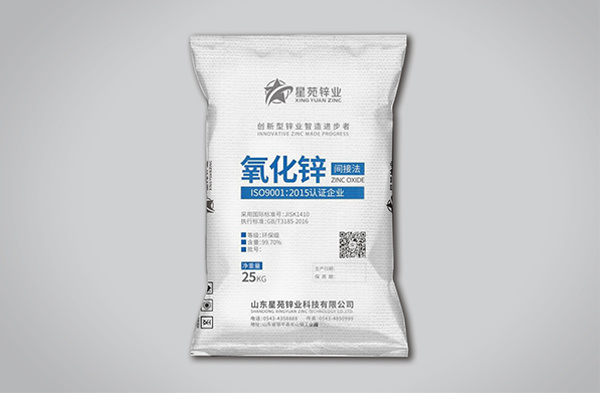
Xingyuan Zinc Technology CO., LTD.
Address: Shandong Zouping County Changshan Town Houhuai Village
General Manager:+8618763028888 (Sun Dongsheng)
Sales Department:+86-543-4358888
Fax:0543-4850999
E-mail:xingyuanchem@163.com
Website:www.sdxyxy.com


扫一扫查看官方网站