

The difference in the quality of 99.7% zinc oxide
2016-12-02
The difference between indirect and direct zinc oxide lies in their manufacturing materials and processes, resulting in different applications. For tires, indirect zinc oxide is generally used because it is produced from zinc ingots and greatly aids in rubber vulcanization. Direct zinc oxide, however, is produced from zinc ash and has poor rubber vulcanization properties, limiting its use to other applications, typically in ceramics. You get what you pay for. The price of any product is based on cost, and zinc oxide is no exception. Costs are related to raw materials and manufacturing processes. Zinc oxide manufacturing methods are divided into dry and wet methods.
The difference between indirect and direct zinc oxide lies in their manufacturing materials and processes, resulting in different applications.
Tires typically use indirect zinc oxide, produced from zinc ingots, which significantly aids in rubber vulcanization. Direct zinc oxide, made from zinc ash, is far less effective in rubber vulcanization and is used in other applications, such as ceramics.
You get what you pay for. The price of any product is based on its cost, and zinc oxide is no exception. Costs are related to raw materials and manufacturing processes. Zinc oxide manufacturing methods include dry and wet methods; a newer process produces nano zinc oxide.
Dry methods are divided into indirect and direct methods. The indirect method uses high-purity zinc ingots as raw materials, which are sublimated at high temperatures and reacted with oxygen to produce zinc oxide; the direct method uses sphalerite (zinc-containing ore) as a raw material.
The wet method, also known as the chemical method, is a recently developed method for producing zinc oxide. This method has many variations, with the sulfuric acid method being widely used. Nano-level products are obtained by high-temperature calcination and decomposition of zinc carbonate.
The direct method is relatively less expensive. Although the content can reach 99.7%, due to its direct production from ore, it contains high levels of impurities and heavy metals! It also has poor yellowing resistance and high toxicity.
There are also differences within the indirect method, related to the raw materials. For example, using 0# zinc ingots is best, with the highest purity. 1#, 2#, etc., contain more impurities. Some manufacturers also use zinc slag to produce zinc oxide, which is also considered an indirect method.
Zinc oxide production equipment is simple, but manufacturing high-quality zinc oxide requires very strict control of the process!
Therefore, although they are both zinc oxide and both claim a 99.7% content, the quality differs greatly, which is the reason for the large price difference.
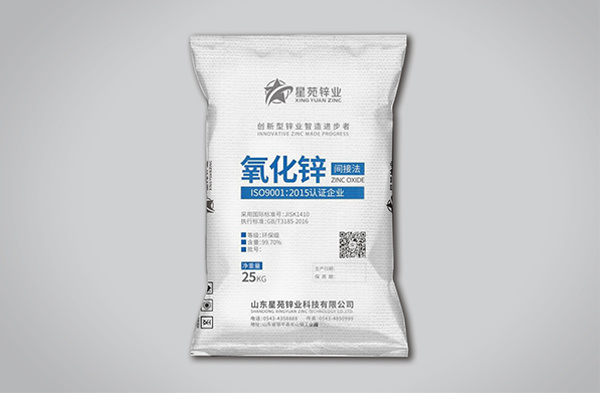
Xingyuan Zinc Technology CO., LTD.
Address: Shandong Zouping County Changshan Town Houhuai Village
General Manager:+8618763028888 (Sun Dongsheng)
Sales Department:+86-543-4358888
Fax:0543-4850999
E-mail:xingyuanchem@163.com
Website:www.sdxyxy.com


扫一扫查看官方网站