

Zinc oxide—Sunscreen in cosmetics
2016-11-25
Zinc oxide is used in sunscreens because it acts as a UV ray reflector, using reflection to resist the two main culprits we know: UVA and UVB. UVB has a wavelength of 280-320nm, and UVA has a wavelength of 320-400nm. Zinc oxide can reflect ultraviolet rays with a wavelength of 280-400nm (some data shows it to be 280-390nm). In any case, this wavelength range is quite long. Combined with titanium dioxide (TitaniumDioxide), they can achieve full protection against UVB and UVA. Zinc oxide
Zinc oxide is used in sunscreens because it acts as a UV ray reflector, using reflection to combat the two main culprits—UVA and UVB. UVB has a wavelength of 280-320nm, and UVA has a wavelength of 320-400nm. Zinc oxide reflects UV rays with wavelengths of 280-400nm (some sources indicate 280-390nm). Regardless, this is a broad spectrum, and when combined with titanium dioxide, they provide comprehensive protection against both UVB and UVA rays.
Advantages of zinc oxide as a sunscreen ingredient:
1. ZnO complies with the EU's "1/3 regulation": Protection (through in vivo or in vitro testing methods) should be at least 1/3 of the labeled UVB index.
2. ZnO provides broader spectrum protection than other sunscreens, covering the wavelength range of 290-380nm; ZnO has a history of use in personal care products for over 300 years and can be used in baby diaper rash creams and prickly heat powders.
3. The FDA lists ZnO as a food additive under GRAS (Generally Recognized As Safe).
4. Compared to TiO2, ZnO has better transparency.
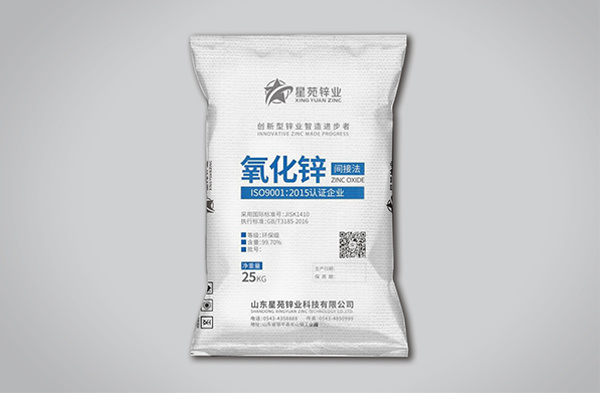
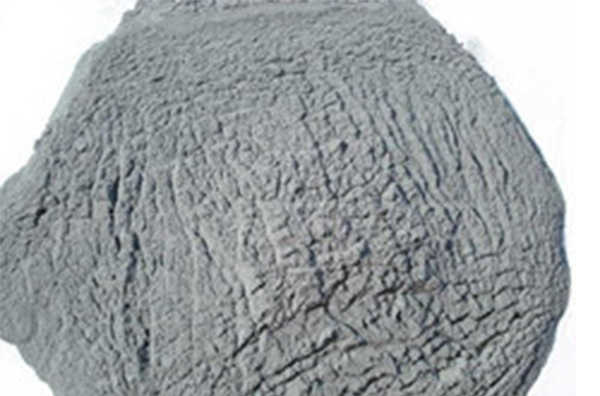
Xingyuan Zinc Technology CO., LTD.
Address: Shandong Zouping County Changshan Town Houhuai Village
General Manager:+8618763028888 (Sun Dongsheng)
Sales Department:+86-543-4358888
Fax:0543-4850999
E-mail:xingyuanchem@163.com
Website:www.sdxyxy.com


扫一扫查看官方网站