

The role of zinc oxide in coatings
2016-11-09
The Role of Zinc Oxide in Coatings Zinc oxide is an alkaline compound that reacts with trace amounts of free fatty acids to form zinc soaps, which tend to thicken the paint. It dissolves in inorganic acids or acetic acid. Zinc oxide has a high refractive index and the ability to absorb ultraviolet light. It also has strong coloring power and hiding power, but its color is pure white, it does not chalk, and it has good light and heat resistance. It can form coordination compounds with carboxylate ions in the coating, thereby reducing the sensitivity of the coating to water. Therefore, zinc oxide can improve the weather resistance and anti-chalking ability of the coating, making it suitable for exterior wall coatings. Zinc oxide makes the product coating flexible, firm, waterproof, and ...
The role of zinc oxide in coatings
Zinc oxide is an alkaline compound that reacts with trace amounts of free fatty acids to form zinc soap, which tends to thicken the paint. It dissolves in inorganic acids or acetic acid.
Zinc oxide has a high refractive index and the ability to absorb ultraviolet light. It also has strong coloring power and hiding power, but is pure white, does not powder, and has good light and heat resistance; it can form coordination compounds with carboxylate ions in the coating, thereby reducing the sensitivity of the coating to water. Therefore, zinc oxide can improve the weather resistance and anti-powdering ability of the coating, making it suitable for exterior wall coatings. Zinc oxide makes the product coating flexible, strong, and waterproof, thus preventing metal corrosion. However, it should not be mixed with bases containing a large amount of free acid to avoid producing excessive zinc soap, making the paint viscous and difficult to apply.
Zinc oxide, used in anticorrosion or marine coatings, can form a dense zinc-titanium compound, reducing the rate at which corrosive media penetrate. Its main function is rust prevention.
Furthermore, zinc oxide has antifungal properties and can inhibit the growth of microorganisms and fungi.
Generally, ceramics and can coatings use indirect zinc oxide with smaller particle size and high purity; indoor coatings and latex coatings mostly use acicular direct zinc oxide, which has a higher oil absorption value and can improve suspension performance.
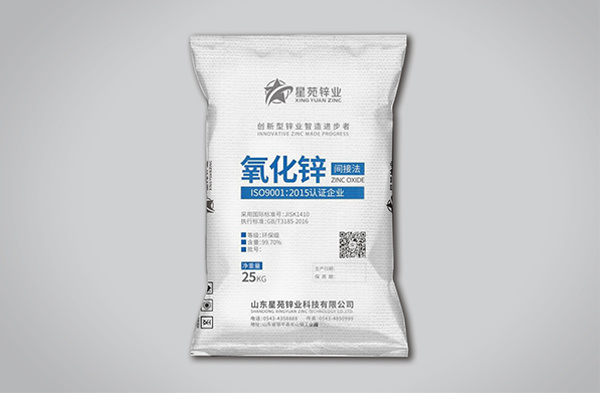
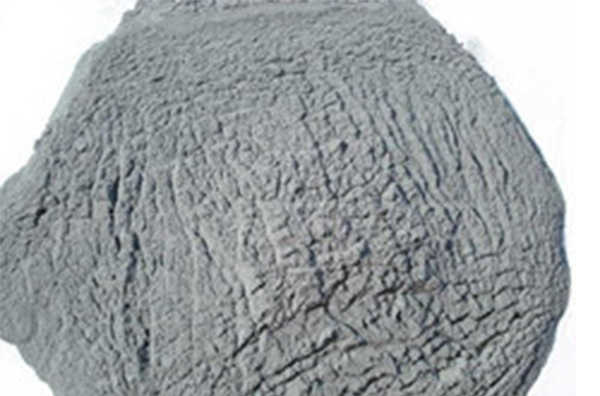
Xingyuan Zinc Technology CO., LTD.
Address: Shandong Zouping County Changshan Town Houhuai Village
General Manager:+8618763028888 (Sun Dongsheng)
Sales Department:+86-543-4358888
Fax:0543-4850999
E-mail:xingyuanchem@163.com
Website:www.sdxyxy.com


扫一扫查看官方网站