

Market Development Status of Zinc Oxide
2016-10-31
While zinc oxide isn't a new product, it's an extremely important component in shoe materials, especially in foamed materials. First, let's understand what zinc oxide is. Zinc oxide is an oxide of zinc. It is insoluble in water but soluble in acids and strong alkalis. Zinc oxide is a commonly used chemical additive, widely used in the production of plastics, silicate products, synthetic rubber, lubricating oils, paints and coatings, ointments, adhesives, food, batteries, flame retardants, etc. I. Current Status of the Zinc Oxide Industry: Currently, there are three main production methods for zinc oxide: direct method, impregnation method, and indirect method. 1. Direct Method
Relatively speaking, zinc oxide is not a new product, but it is a very important component in shoe materials, especially in foamed shoe materials. First, let's understand what zinc oxide is? Zinc oxide is an oxide of zinc. It is insoluble in water, but soluble in acids and strong alkalis. Zinc oxide is a commonly used chemical additive, widely used in the production of plastics, silicate products, synthetic rubber, lubricating oil, paints and coatings, ointments, adhesives, food, batteries, flame retardants and other products.
I. Current Status of the Zinc Oxide Industry:
Currently, there are three main production methods for zinc oxide: direct method, impregnation method, and indirect method.
1. Direct Method
Obtained by calcining zinc carbonate, ZnCO3=ZnO+CO2↑; obtained by calcining and decomposing zinc hydroxide; obtained by smelting crude zinc oxide into zinc, and then oxidizing it with high-temperature air; obtained by oxidizing molten zinc. The zinc content is relatively low, with a mixture of zinc-containing materials and coal (coke). Direct method zinc oxide is mostly used for ceramic glazes, car tires, etc. (annual output 300-400 thousand tons).
2. Indirect Method
Roasted zinc ore powder (or zinc-containing materials) is mixed with smokeless coal (or coke) and limestone at a ratio of 1:0.5:0.05 to form balls. After reduction smelting at 1300℃, the zinc oxide in the ore powder is reduced to zinc vapor, and then oxidized by introducing air. The generated zinc oxide is collected to obtain the finished zinc oxide product. The main methods include crucible method (used by most domestic manufacturers) and American zinc furnace-double purification method.
3. Wet Method
Zinc ash reacts with sulfuric acid to generate zinc sulfate, which is then reacted with sodium carbonate and ammonia water respectively to produce zinc carbonate and zinc hydroxide as raw materials for zinc oxide production. Mainly active or nano zinc oxide (annual output 60-80 thousand tons).
The reaction equations are as follows:
Zn+H2SO4=ZnSO4+H2↑
ZnSO4+Na2CO3=ZnCO3↓+Na2SO4
ZnSO4+2NH3·H2O=Zn(OH)2↓+(NH4)2SO4
Using zinc carbonate as a raw material, the product zinc oxide is obtained through washing, drying, calcination, and pulverization. ZnCO3→ZnO+CO2↑ Using zinc hydroxide as a raw material, the product zinc oxide is obtained through washing and precipitation, drying, calcination, cooling, and pulverization. Zn(OH)2→ZnO+H2O
There are currently about 300 zinc oxide manufacturers in China, mainly located in Jiangsu, Shandong, and Hebei provinces, which account for 60% of the total market capacity. It is estimated that the total amount will decrease by more than 70% in the next 3 years. Enterprises with an actual output of more than 10,000 tons using the indirect method account for more than 60% of the total output, and the remaining output is mostly distributed among enterprises with an annual output of less than 1,000 tons, mainly supplying the low-end indirect method market. The market is extremely fragmented, with serious overcapacity, and the overall operating rate of the industry is 60%-65% (the total production capacity of the indirect method industry is 700,000 tons, and the total market sales volume in 2014 was 450,000 tons). Imports and exports are sluggish, production costs have risen sharply, high taxes have led to a loss of price competitiveness, and most manufacturers are "three-high" enterprises (high pollution, high energy consumption, and high emissions), facing the rectification or shutdown pressure of the new environmental protection law. The operating rate of 10,000-ton capacity enterprises is generally higher than the industry average, and the impact of market shocks is relatively small. Large-scale production has improved competitiveness, but most enterprises are under greater environmental pressure; the capacity utilization rate of medium-sized enterprises is generally around 50%-70%, and they are greatly affected by the market. Some enterprises operate on an order-based basis; the long-term operating rate of small-scale enterprises is affected by the downturn in some industries such as tires and building ceramics, as well as the pressure of high-intensity environmental protection, resulting in serious underutilization of capacity, and even complete shutdown during the peak period of environmental protection rectification. In the zinc oxide industry chain, it is necessary to implement technical specifications, strengthen honest operation, and make substantial improvements to the long-standing problem of adulteration. Some manufacturers do not even have the ability to conduct testing. Some problems are very serious and affect the healthy development of the entire industry.
II. Challenges and Strategic Decisions of the Zinc Oxide Industry
With market changes and shocks, rapidly rising costs, aging equipment and technology, outdated industry indicators, excessive industry fragmentation, and fierce asymmetric competition, the zinc oxide industry is currently facing enormous challenges. Internal worries: China's economy has entered a "new normal," with significant structural changes. The transportation volume of steel, coal, and building materials has decreased, the demand for tires has been significantly reduced, and the production and sales volume of heavy-duty trucks in China has experienced negative growth for the first time in many years. Correspondingly, in China's tire industry, truck and mining machinery tires account for 50% of the industry's output value, so the decline in these industries will have a significant impact on tire demand; the implementation of new composite rubber standards has had a huge impact on the entire tire industry, and 1.6 million tons of annual imported composite rubber will face a tariff of 1500 yuan/ton, leading to a sharp increase in raw material costs; overcapacity in the tire industry, with more than 500 tire factories, more than 300 in Shandong, overcapacity, lack of brands, and extremely fierce competition, with an industry operating rate of 64.7% in 2014; the high growth rate of the downstream automotive market since 2000 has stagnated in 2015, making it difficult to continue driving the sustained high growth of the tire market, which is closely related to zinc oxide. External concerns: In 2015, the United States began to impose punitive "double anti-dumping" policies on Chinese light trucks and passenger car tires, imposing punitive tariffs and fines ranging from 12.5% to 81.3%; China's tire exports to the United States account for 15% of the industry's total output, and it is expected that the double anti-dumping will lead to an 8%-10% decrease in the industry's operating rate; the strengthening of the US dollar has led to a decrease in the willingness of the EU and other tire importing countries to import tires, and coupled with the US's double anti-dumping measures, it has led to a vicious cycle of price competition in the export market.
III. The Future of the Zinc Oxide Industry
The market price of zinc oxide is closely related to the price of metallic zinc, and it is also closely related to domestic demand. On the one hand, zinc oxide producers are affected by relevant national environmental protection policies, and the number of producers continues to decrease. Although some enterprises are expanding production capacity, the overall output will further decrease, and backward production capacity will be further eliminated in the industry. On the other hand, due to the overall economic weakness, the closely related tire and rubber industry is affected by the weak growth of the automotive industry and the anti-dumping measures taken by the United States, and the demand in the downstream market will continue to remain weak.
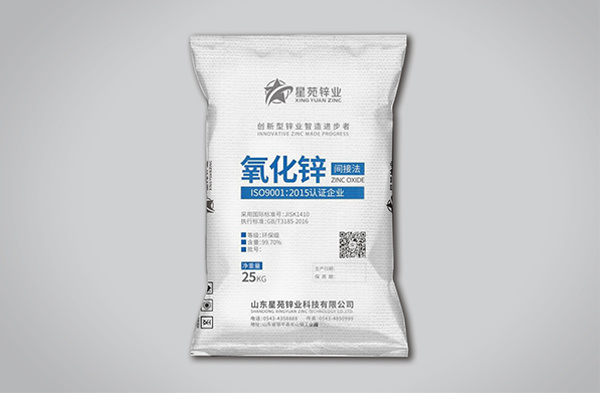
Xingyuan Zinc Technology CO., LTD.
Address: Shandong Zouping County Changshan Town Houhuai Village
General Manager:+8618763028888 (Sun Dongsheng)
Sales Department:+86-543-4358888
Fax:0543-4850999
E-mail:xingyuanchem@163.com
Website:www.sdxyxy.com


扫一扫查看官方网站