
Zinc oxide is the best activator for sulfur vulcanization of natural rubber
2016-10-24
Zinc oxide, as a rubber vulcanization activator, is widely used due to its comprehensive functions. To date, zinc oxide remains the best activator for sulfur vulcanization of natural rubber. Zinc oxide, stearic acid, sulfur, and accelerators together constitute the vulcanization system. Zinc oxide and stearic acid form zinc stearate, which can accelerate sulfur vulcanization together with the accelerator. If sulfur is used alone, the vulcanization process will be very long. However, the release of zinc during the production, processing, and recycling of rubber products can have adverse effects on the environment, human health, and especially aquatic organisms. A new trend in rubber industry production is to reduce the zinc content in products and to explore alternatives.
Zinc oxide, as a rubber vulcanization activator, is widely used due to its versatile functions. To date, zinc oxide remains the best activator for sulfur vulcanization of natural rubber. Zinc oxide, stearic acid, sulfur, and accelerators together constitute the vulcanization system. Zinc oxide and stearic acid form zinc stearate, which can accelerate sulfur vulcanization together with the accelerator. If sulfur is used alone, the vulcanization process will be very long.
However, the release of zinc during the production, processing, and recycling of rubber products can have adverse effects on the environment, human health, and especially aquatic organisms. A new trend in the rubber industry is to reduce the zinc content in products and to find possible alternatives. The study uses metal oxides or metal complexes to replace zinc oxide, and conducts a study on reducing the amount of zinc oxide in the rubber compound formulation. The rheological behavior and physical properties of the vulcanized rubber are reviewed: Using magnesium oxide or magnesium stearate as activators in natural rubber formulations is feasible.
Formulations and Rubber Compounds:
1. Pure Rubber Formulation
A typical formulation for sulfur vulcanization of natural rubber contains 5 parts zinc oxide. In this study, a pure rubber formulation with 5 parts zinc oxide was used as a reference formulation. First, the effectiveness of the metal oxide—magnesium oxide—as an activator in the pure rubber formulation was investigated. The formulation contained no zinc oxide, but magnesium oxide, the amount of which varied from 1 to 5 parts. Magnesium stearate was tested in the same way to determine its suitable dosage.
To reduce the amount of zinc oxide in the natural rubber compound formulation, it is necessary to consider the reduction of zinc oxide in conjunction with the use of magnesium oxide, using the formulation with 5 parts zinc oxide as a blank reference formulation. That is, the amount of zinc oxide is reduced to 3, 2, and 1 parts, while the amount of magnesium oxide varies from 1 to 5 parts.
2. Carbon Black Filled Rubber Compound
In the formulation with carbon black filler, the amount of zinc oxide was reduced to 2 parts, using 50 parts of N110 carbon black. Magnesium stearate and magnesium oxide varied from 1 to 2 parts. The rubber compound was mixed on a 12″ × 6″ two-roll mill, maintaining the temperature at 70℃, and the mixing time for each batch of rubber compound was 10 min.
3. Test Methods
A single-speed rotating Mooney viscometer was used to determine the Mooney viscosity and Mooney scorch of the rubber compound. A Monsanto rheometer was used to determine the vulcanization characteristics, such as vulcanization time (t90), scorch time (ts2), minimum torque (Ml), and maximum torque (Mh). Physical tests used 160℃ vulcanized specimens.
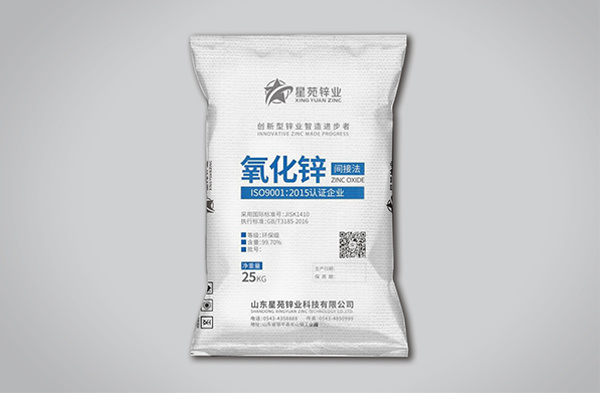
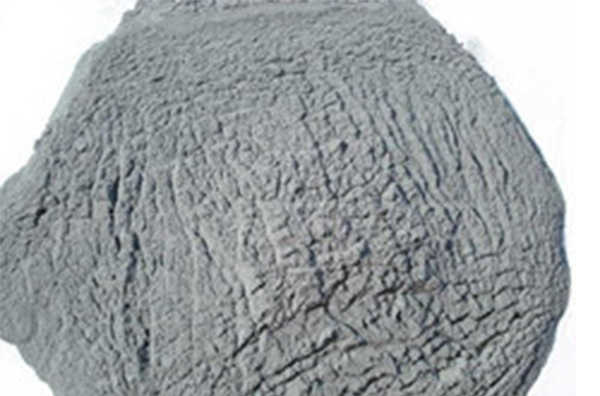
Xingyuan Zinc Technology CO., LTD.
Address: Shandong Zouping County Changshan Town Houhuai Village
General Manager:+8618763028888 (Sun Dongsheng)
Sales Department:+86-543-4358888
Fax:0543-4850999
E-mail:xingyuanchem@163.com
Website:www.sdxyxy.com


扫一扫查看官方网站