

What is nano zinc oxide, and what are the uses of zinc oxide?
2021-07-07
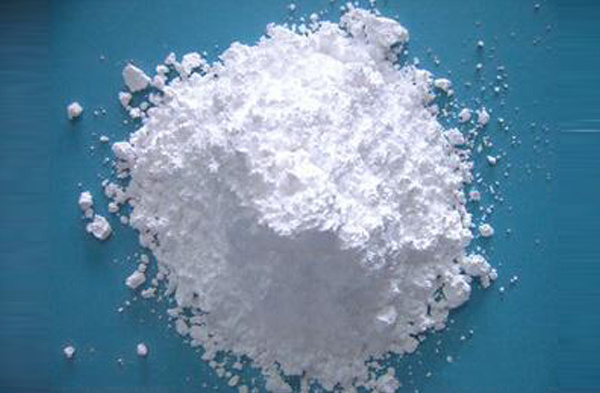
What is nano zinc oxide, and what are its uses? Nano zinc oxide is a new type of fine inorganic chemical material. Its raw materials are inexpensive and readily available. It has a high melting point, good thermal stability, good electromechanical coupling, and good luminescence performance. It also exhibits excellent antibacterial, catalytic, and UV-shielding properties. It is widely used in many fields, including antibacterial additives, catalysts, rubber, dyes, inks, coatings, glass, piezoelectric ceramics, optoelectronics, and daily chemical industries.
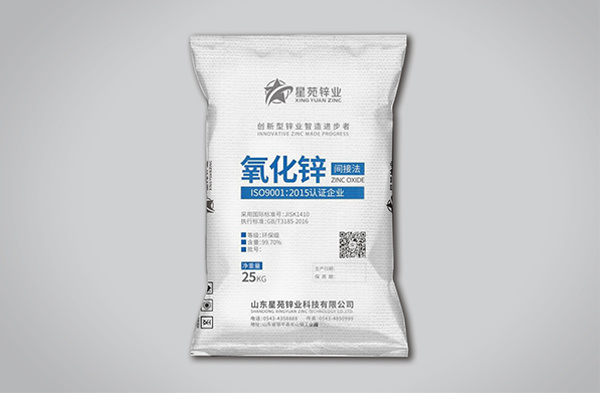
Zinc oxide nanoparticles are a new type of fine inorganic chemical material. The raw materials are inexpensive and readily available. They have a high melting point, good thermal stability, good electromechanical coupling, good luminescence performance, and excellent antibacterial, catalytic, and UV-shielding properties. Zinc oxide nanoparticles They can be widely used in many fields, including antibacterial additives, catalysts, rubber, dyes, inks, coatings, glass, piezoelectric ceramics, optoelectronics, and daily chemical industries. Today, the editor of Shandong Xingyuan Zinc Industry Technology Co., Ltd. will mainly inventory the various uses of zinc oxide nanoparticles for everyone. Let's take a look!
1. Photocatalyst
Using zinc oxide nanoparticles as a photocatalyst can increase the reaction rate by 100-1000 times without causing light scattering, and it has a large specific surface area and a wide band gap. As an active substance, zinc oxide nanoparticles can be used in various catalytic reactions and are considered one of the highly promising high-activity photocatalysts.
2. Thermocatalyst
The thermal catalytic performance of zinc oxide nanoparticles mainly refers to the fact that mixing and grinding zinc oxide nanoparticles with ammonium perchlorate in a certain proportion can catalyze the decomposition of ammonium perchlorate under heating conditions, thereby lowering the decomposition temperature of ammonium perchlorate.
3. Antimicrobial Material
Zinc oxide nanoparticles It is a new type of broad-spectrum inorganic antimicrobial material. It not only has a good antimicrobial effect on Staphylococcus aureus and Escherichia coli, but also has a strong destructive effect on the spores of Bacillus subtilis, a prokaryotic cell with strong heat resistance and antimicrobial properties.
4. Air Purification Material
After the photocatalytic reaction of zinc oxide nanoparticles, peroxides and free radicals with strong oxidizing ability and the ability to decompose malodorous substances are produced. Due to this characteristic, zinc oxide powder has antibacterial and deodorizing properties and can therefore be used in the production of antibacterial and deodorizing chemical fibers. It can also decompose harmful gases produced during building decoration to achieve the purpose of air purification.
5. Cosmetics
Zinc oxide nanoparticles are a broad-spectrum inorganic UV shielding agent and are widely used in sunscreens and sunscreens due to their effective shielding, safety, and antibacterial properties. UV shielding efficiency, transparency, dispersibility, and photostability are the main standards for measuring the performance of zinc oxide nanoparticles in sunscreen cosmetics. Particle size control technology and surface treatment technology are fundamental ways to improve the quality of zinc oxide nanoparticles.
6. Rubber
The rubber industry is the largest user of zinc oxide. In the production of this industry, Zinc oxide is often used as an activator, enhancer, and colorant. The wear resistance, anti-aging properties, anti-friction ignition, and service life of rubber products can all be improved using zinc oxide nanoparticles.
Xingyuan Zinc Technology CO., LTD.
Address: Shandong Zouping County Changshan Town Houhuai Village
General Manager:+8618763028888 (Sun Dongsheng)
Sales Department:+86-543-4358888
Fax:0543-4850999
E-mail:xingyuanchem@163.com
Website:www.sdxyxy.com


扫一扫查看官方网站