

What is the function of zinc oxide in phosphating solution?
2021-08-30
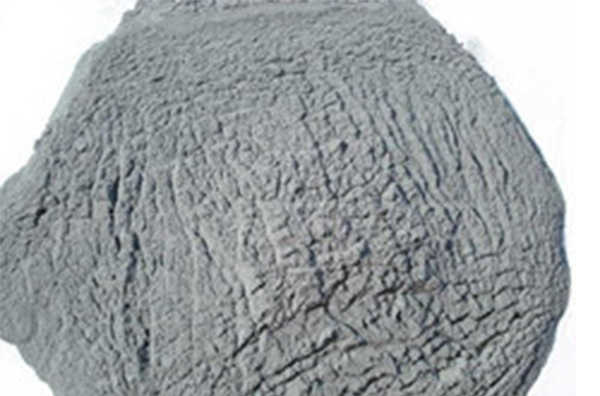
Zinc phosphate is a white powder, stable at room temperature, with good covering power and coloring power. It is insoluble in water and alcohol, but soluble in acids and alkaline ammonium salt solutions, and is an amphoteric oxide. It absorbs carbon dioxide and water in the air to form zinc carbonate, turning white. When heated, it turns yellow, and turns white again after cooling.
Zinc oxide in phosphating liquid is a white powder, stable at room temperature, with good covering power and coloring power. It is insoluble in water and alcohol, but soluble in acid and alkaline ammonium salt solutions, and belongs to amphoteric oxides. It absorbs carbon dioxide and water in the air to form zinc carbonate, turning white. When heated, it turns yellow, and turns white again after cooling.
I. Characteristics of zinc oxide in phosphating liquid:
1. In phosphating liquid, it is stable in performance, clear and transparent after dissolution. The phosphating liquid has the functions of anti-corrosion, anti-aging, and protecting metals on the metal surface.
2. Zinc oxide can react with phosphoric acid to generate zinc phosphate, which is used for anti-corrosion and rust prevention on metal surfaces, that is, forming a zinc-iron-phosphate coating on the metal surface, and used as a rust-proof pigment. Zinc oxide in phosphating liquid is t202 (such as dialkyl dithiophosphate), abbreviated as ZDP, which is an indispensable composite additive in lubricating oil, accounting for about 10% to 15% of the consumption of various additives, and has the characteristics of anti-oxidation and anti-corrosion.
3. Adding zinc oxide in phosphating liquid to glass can increase transparency, brightness and tensile deformation, reduce the coefficient of thermal expansion, and play a new role in optical glass, electric glass and low-melting-point glass.
4. In the electronics industry, it is mainly used to manufacture magnetic materials for electronic structural components - ferrites, televisions, telecommunications equipment, resistors, etc.
5. In the ceramics industry, it is widely used in the semi-transparent glaze of brick glaze and coarse porcelain and the transparent glaze after-glaze of craft tableware.
6. In the plastics industry, it is a UV stabilizer that can improve the weather resistance of polyethylene, and the zinc resin made of resin acid and zinc oxide is used to produce fast-drying flux.
Many zinc reactions, such as zinc chloride, zinc sulfide, lithopone, zinc acetate, zinc chromate, zinc nitrate, zinc borate, etc., are made using zinc oxide as the basic raw material. In addition, it is also used in medicine, matches, fireworks, smoke bombs, optics, photography, copying, batteries, aerospace, ammonium nitrate, and even filters. Therefore, the application of zinc oxide in phosphating liquid is very wide.
II. Challenges of the zinc oxide in phosphating liquid industry
Market changes and shocks, rapid cost increases, outdated equipment and technology, outdated industry indicators, excessive industrial dispersion, and asymmetric competition are very fierce. At present, the zinc oxide in phosphating liquid industry faces huge challenges.
III. The future of the zinc oxide in phosphating liquid industry
The market price of zinc oxide is closely related to the price of metallic zinc and is also closely related to domestic demand. On the one hand, affected by relevant national environmental protection policies, the number of production enterprises continues to decrease, and production enterprises are expanding production capacity, but the overall output will be further reduced, and the industry will further eliminate backward production capacity. On the other hand, due to the overall economic downturn and the close relationship between the tire and rubber industry and the sluggish growth of the automotive industry and anti-dumping measures in the United States, the downstream market demand will continue to remain weak.
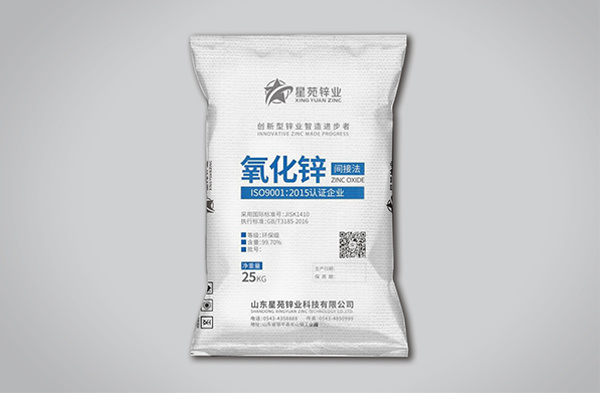
Xingyuan Zinc Technology CO., LTD.
Address: Shandong Zouping County Changshan Town Houhuai Village
General Manager:+8618763028888 (Sun Dongsheng)
Sales Department:+86-543-4358888
Fax:0543-4850999
E-mail:xingyuanchem@163.com
Website:www.sdxyxy.com


扫一扫查看官方网站