

What are the roles of zinc phosphate in aquaculture and the coatings industry?
2021-08-31
Zinc oxide is an alkaline compound that reacts with a small amount of free fatty acids to form zinc soap. When encountering inorganic acids or acetic acid, zinc soap usually thickens and dissolves the coating. In recent years, zinc oxide in phosphating liquid has rapidly grown due to its excellent nano-characteristics, and its application fields are becoming increasingly wider. The advantages of zinc oxide in phosphating liquid are that it can prevent diarrhea and promote the growth of weaned piglets. New research progress shows that its mechanism of action is achieved through multiple regulatory pathways.
Zinc oxide is an alkaline compound that reacts with a small amount of free fatty acid to form zinc soap. When encountering inorganic acids or acetic acid, zinc soap usually thickens and dissolves the coating. In recent years, zinc oxide in phosphating solution has grown rapidly with its excellent nano-characteristics, and its application fields are becoming increasingly wider.
However, today I will share the roles of zinc oxide in phosphating solution in animal husbandry and the coatings industry.
The advantages of zinc oxide in phosphating solution are that it can prevent diarrhea and promote the growth of weaned piglets. New research progress shows that its mechanism of action is achieved through multiple regulatory pathways. It is to add a high level of zinc oxide to piglet feed to meet the requirements, because the zinc absorption rate of piglets decreases by about 30% after weaning, and the bioavailability may be less than 20%. In addition, the results show that zinc oxide has the functions of regulating secretion, stimulating entero-brain secretion of uptake, and promoting growth.
Zinc oxide improves intestinal barrier function by increasing the expression of intestinal insulin-like growth factor 1 and reduces the cell permeability of intestinal tight junction proteins.
Zinc oxide has an immunomodulatory effect of reducing the release of inflammatory histamine, inhibiting the activation and proliferation of large cells in equipment. In addition, it can reduce intestinal ion secretion, enhance water absorption, and prevent diarrhea. In the case of production interruption of weaned piglets, supplementing a relatively large amount of zinc oxide (2500 mg/kg) in a short period of time can improve the stability and diversity of intestinal flora. If the weaned piglets change, it reduces pathogens such as enterotoxigenic Escherichia coli attached to the intestinal mucosa. On the other hand, zinc oxide in phosphating solution it can prevent the proliferation of opportunistic pathogens such as Escherichia coli or enterococci in the intestine.
Secondly, zinc oxide in phosphating solution has a high refractive index and the ability to absorb ultraviolet rays. It has strong coloring power and covering power, but the color is relatively pure white, powder-free, and has good light resistance and heat resistance. It can interact with carboxylates in paint. Acid radicals form coordination compounds, reducing the water sensitivity of the membrane. Therefore, it can improve the weather resistance and separation resistance of the coating and is applied to exterior wall coatings.
Generally speaking, ceramics and can paint use indirect zinc oxide, which has small particles and high purity. Indoor paints and emulsion paints use direct zinc oxide to improve the inhalation rate and improve the suspension performance.
Zinc oxide in phosphating solution makes the product coating soft, firm, and non-permeable, preventing metal corrosion. However, in order to prevent the production of more zinc soap, hyaluronic acid cannot be mixed with more equipment, the coating is thick, and it is difficult to color.
In addition, zinc oxide in phosphating solution it is used in anti-corrosion or marine coatings to form a dense zinc-titanium compound, reducing the further permeability of the corrosive medium and playing a rust-proof role. It has antifungal properties and can inhibit the growth of microorganisms and fungi.
The above is the role of zinc oxide in phosphating solution in animal husbandry and the coatings industry that I have explained to you today. I hope it will be helpful to you!
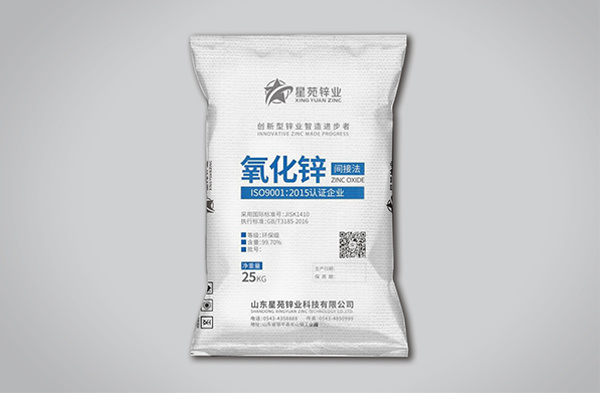
Xingyuan Zinc Technology CO., LTD.
Address: Shandong Zouping County Changshan Town Houhuai Village
General Manager:+8618763028888 (Sun Dongsheng)
Sales Department:+86-543-4358888
Fax:0543-4850999
E-mail:xingyuanchem@163.com
Website:www.sdxyxy.com


扫一扫查看官方网站