

Formulation and component analysis of zinc oxide in phosphating solution
2022-07-19
Zinc phosphate is a mixed chemical reagent mainly composed of zinc nitrate, zinc oxide, nitric acid, and water. It is mainly used for rust removal at room temperature. Zinc phosphate is a pretreatment process before steel coating. It can improve the rust prevention ability of steel and increase the bonding force between the material and the paint. After the zinc phosphate itself reacts with the substrate, a dense chemical conversion film will be formed on the surface of the substrate...
Formula and component analysis of zinc oxide phosphating solution
Zinc oxide phosphating solution is a mixed chemical reagent, mainly composed of zinc nitrate, zinc oxide, nitric acid, and water. It is mainly used for rust removal at room temperature. Zinc oxide phosphating solution It is a pretreatment process before steel coating. It can improve the rust prevention ability of steel and increase the bonding force between the material and the paint. After the zinc oxide phosphating solution itself reacts with the substrate, a dense chemical conversion film will be formed on the surface of the substrate, playing a role in protecting the substrate. Phosphating agents are widely used in professional spray painting plants for pretreatment, providing short-term rust prevention and paint adhesion for the sprayed workpiece.
Zinc oxide phosphating solution formula analysis
Room temperature zinc oxide phosphating solution formula: Zinc oxide phosphating solution dosage (g): Phosphoric acid (100%) 41; Zinc oxide 27.5; Nitric acid (100%) 22.5. Copper carbonate 3; Hexamethylenetetramine 38 sodium nitrate; Add water to 1 liter; Free acid 6.6 points, total acidity 84 points, film breaking time 300~430 seconds.
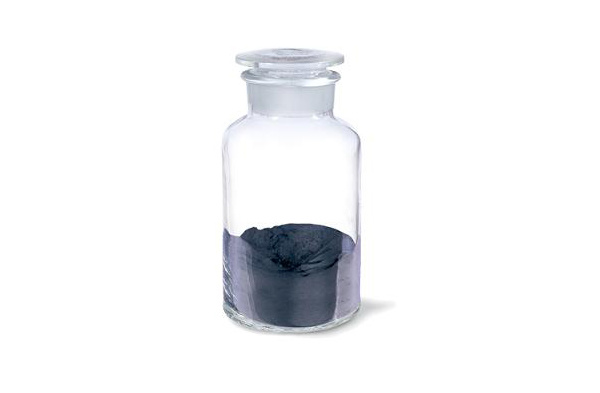
Component analysis, Zinc oxide phosphating solution Component detection range: Component detection items: Concentration detection, metal ion detection, free fluoride detection, pH detection, free acidity detection, total acidity detection, content detection, formula component detection, quality detection, zinc ion detection, etc.
Component detection standards: HB/Z5080-1996 phosphating process for steel parts HB/Z5108.1-1999 zinc oxide phosphating solution analysis method Potentiometric titration method Determination of free acidity and total acidity HG/T3347-2013 ethylene phosphating primer (two-component), SY/T5711-2016 copper plating phosphating technical conditions for drill bits, HB5063-1996 phosphating coating quality inspection of steel parts, HB/Z5108.2-1999 zinc oxide phosphating solution analysis method visual turbidity method determination of chloride ion content, HB/Z5108.3-1999 zinc oxide phosphating solution analysis method visual turbidimetric method determination of sulfate content, GB/T2091-2008 industrial phosphoric acid.
This zinc phosphate treatment forms a crystalline layer on the surface of the strip steel, with cavities scattered in it. Its needle-like structure expands the actual surface area of the strip, creating the optimal surface structure for further processing. During the zinc phosphate treatment process, the coating thickness, capillary size, and surface roughness can be precisely calibrated. Zinc oxide phosphating solution The characteristics of the production process are that the zinc phosphate coating chemically bonds with the surface of the strip steel, providing multiple options for subsequent surface treatment: saponification treatment, grease, oil or other lubricants, varnish and organic coating treatment non-film-forming organic sealant, application of inorganic or organic sealants.
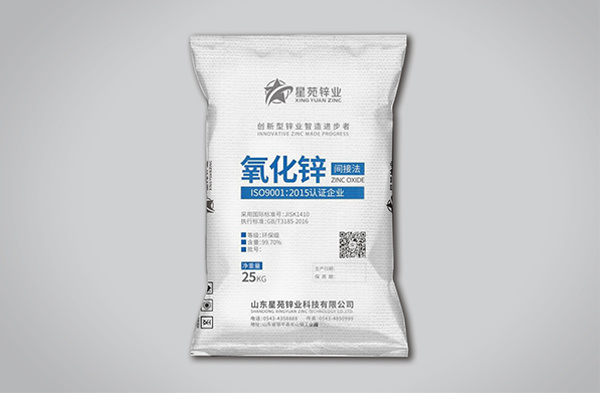
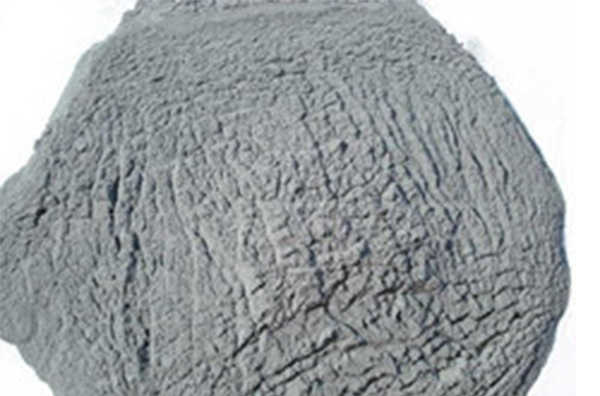
Xingyuan Zinc Technology CO., LTD.
Address: Shandong Zouping County Changshan Town Houhuai Village
General Manager:+8618763028888 (Sun Dongsheng)
Sales Department:+86-543-4358888
Fax:0543-4850999
E-mail:xingyuanchem@163.com
Website:www.sdxyxy.com


扫一扫查看官方网站