

Specific details of zinc oxide in phosphating liquid
2022-11-04
Zinc oxide in normal temperature rust preventive phosphating liquid is widely used in the phosphating rust prevention treatment of ferrous metal materials and parts, providing a coating promoter for electroplating and spraying technology. Its main feature is that it can be phosphated at room temperature. During processing, workpieces can be stored for 2-3 days without rusting. It is non-toxic and has no irritating odor, resulting in a uniform coating with strong adhesion and good corrosion resistance.
Room temperature rust-proof zinc phosphate, widely used in the phosphating and rust prevention treatment of ferrous metal materials and parts, providing a coating promoter for electroplating and spraying technologies. Its main feature is that it can be phosphated at room temperature. Workpieces can be stored during processing 2 ~ 3 days without rusting, non-toxic and odorless, resulting in a uniform coating with strong adhesion and good corrosion resistance.
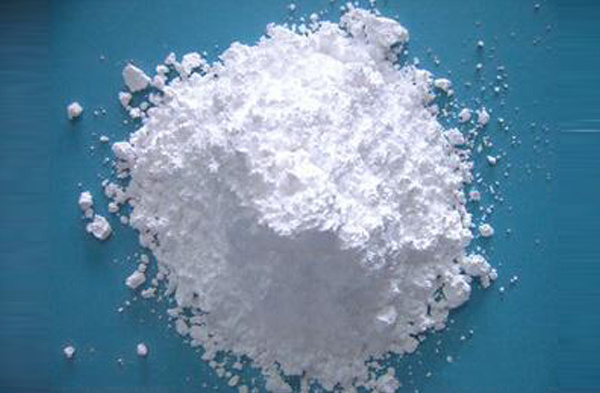
Currently, in the corrosion prevention and protection construction of ferrous metals, zinc phosphate is mostly used, requiring heating to 80 ℃ or higher, resulting in a large amount of acidic gas evaporation, serious environmental pollution, corrosion of the tank, and high energy consumption. Especially during production downtime, workpieces will rust significantly.
In view of the above problems, the purpose of this invention patent is to provide a room temperature rust-proof zinc phosphate solution that does not require heating during construction, is non-toxic and odorless during operation, and prevents workpieces from rusting during production downtime 2 ~ 3 days without rusting.
Zinc phosphate is formed by the interaction of phosphate solution and metallic iron. With iron phosphate or zinc dihydrogen phosphate dissolved in water, the phosphate undergoes the above hydrolysis. When a surface-treated steel part is placed in the phosphating solution, the metallic iron interacts with the phosphoric acid and dissolves. This dissolution under the action of free acid forms the following reaction:
On the contact surface between the part and the solution, the concentration of phosphoric acid and orthophosphate continuously increases. When they reach supersaturation, they crystallize and deposit on the metal surface, and the grains continue to grow until an insoluble phosphate film is formed. . With the formation of the phosphate film, another part of the surface is isolated from the solution. The number of hydrogen bubbles in the plating solution can be used to judge whether the formation process of the phosphate film is complete. From the formation process of the phosphate film, it can be seen that it is the result of the interaction between phosphate and metallic iron. Nitrate only plays a catalytic role, and the nitrate in the nitrate captures electrons from iron on another part of the surface, thus promoting the oxidation of the metal surface. The dissolution of iron is accelerated, so the content of zinc nitrate will affect the quality of the phosphate film, and its reaction is:
Due to the action of nitrate, the dissolution of iron is accelerated, the concentration of iron ions on the contact surface between the metal iron and the solution increases, thus increasing the number of nuclei and accelerating the phosphating reaction. The generated phosphate film is fine and firm, and the presence of nitrate can continuously oxidize ferrous ions ( Fe++ ) into ferric iron ( Fe++ )
Iron ( Fe+3 ) reacts with hydrogen phosphate and phosphate to form iron phosphate and iron hydrogen phosphate:
Part of the iron phosphate and iron hydrogen phosphate deposits on the metal surface to form an insoluble phosphate film, and the other part deposits on the bottom of the tank, which is the precipitate.
Compared with the existing technology, the main advantage of zinc phosphate is that it does not require heating and can be phosphated at room temperature ( 15~35 ℃), and the workpiece can be stored during the process for 2~3 days without rusting. The operation is non-toxic and odorless. The odor makes the electroplating layer uniform, with strong adhesion and good corrosion resistance. It can be widely used in rust prevention of ferrous metal products. For example: electroplating, brush plating, electrostatic spraying technology, etc., can be used as a coating promoter.
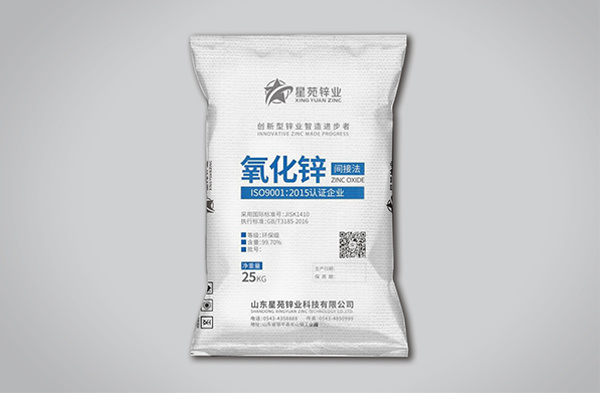
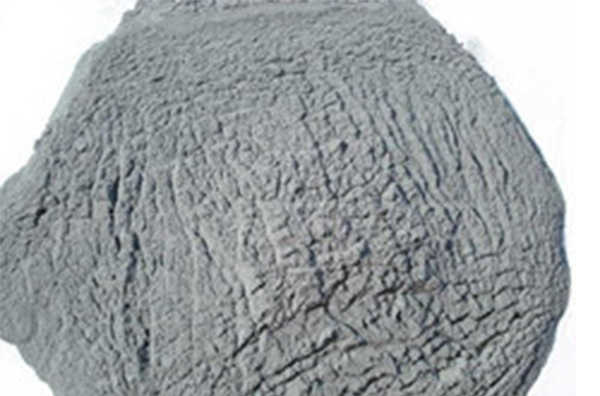
Xingyuan Zinc Technology CO., LTD.
Address: Shandong Zouping County Changshan Town Houhuai Village
General Manager:+8618763028888 (Sun Dongsheng)
Sales Department:+86-543-4358888
Fax:0543-4850999
E-mail:xingyuanchem@163.com
Website:www.sdxyxy.com


扫一扫查看官方网站