
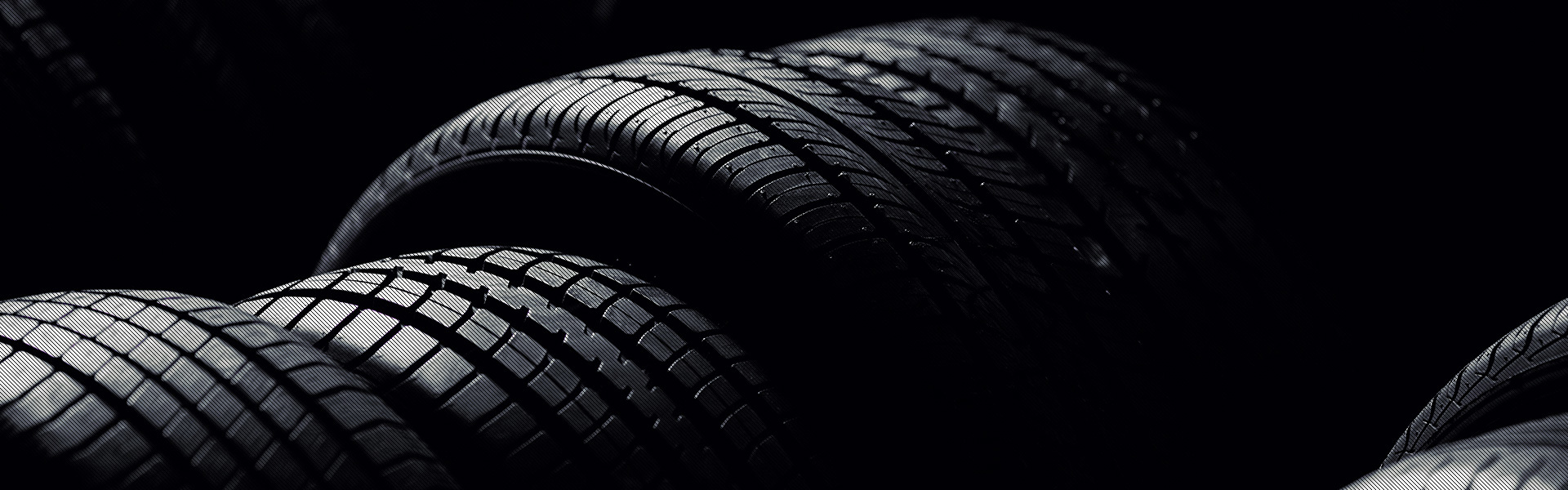
These products are widely used in the rubber tire manufacturing industry

These products are widely used in paints and anticorrosive coatings
Products Used in Ceramic Manufacturing Industry
It is used in the fuel, glass, pharmaceutical, and other chemical industries.
2021-01-29
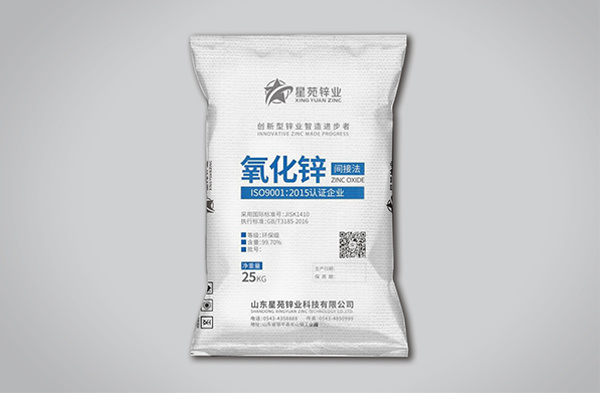
What are the applications of zinc oxide in the rubber industry?
In the rubber tire industry, zinc oxide can improve product thermal conductivity, wear resistance, tear resistance, tensile strength, and other indicators, and can save about 30% of zinc oxide. The following introduces the application of zinc oxide in the rubber industry.
2020-10-10
Precautions for the use of zinc oxide in medicine
Regarding the reuse of zinc oxide in medical applications, zinc oxide is often used in the manufacturing of electronic components and conductors due to its strong insulation properties. Users wish to reuse it to save costs.
2020-10-10
Precautions for the use of zinc oxide in medicine
Regarding the reuse of zinc oxide in medical applications, zinc oxide is often used in the manufacturing of electronic components and conductors due to its strong insulation properties. Users wish to reuse it to save costs.
2020-09-24
What are the production methods for zinc oxide?
What are the production methods for zinc oxide? Reagent zinc oxide is used as a filler material in various products, and its production methods are diverse. This is due to significant advancements in science and technology, leading to more and more manufacturers employing different methods to obtain this type of product.
2020-09-18
Applications of zinc oxide in pharmaceuticals
Zinc oxide has a weak astringent and antibacterial effect. It reacts with free fatty acids in oils to produce zinc oleate and zinc stearate, which protect the skin.
2020-09-03
What is the difference between activated zinc oxide and ordinary zinc oxide?
There is a difference between activated zinc oxide and ordinary zinc oxide. Activated zinc oxide has characteristics that ordinary zinc oxide does not. Here is a general introduction to the differences between the two products.
2020-08-06
What are the applications of zinc oxide?
Zinc oxide has a wide range of applications. It's not only used medicinally (pharmaceutical-grade zinc oxide), but also in pigments. The production of zinc oxide pigments is a multi-step process. I remember visiting a large dye house and seeing all the pigment-making tools; the process looked quite complicated. Zinc oxide can be made into a pigment.
2020-08-04
What are the production methods for zinc oxide?
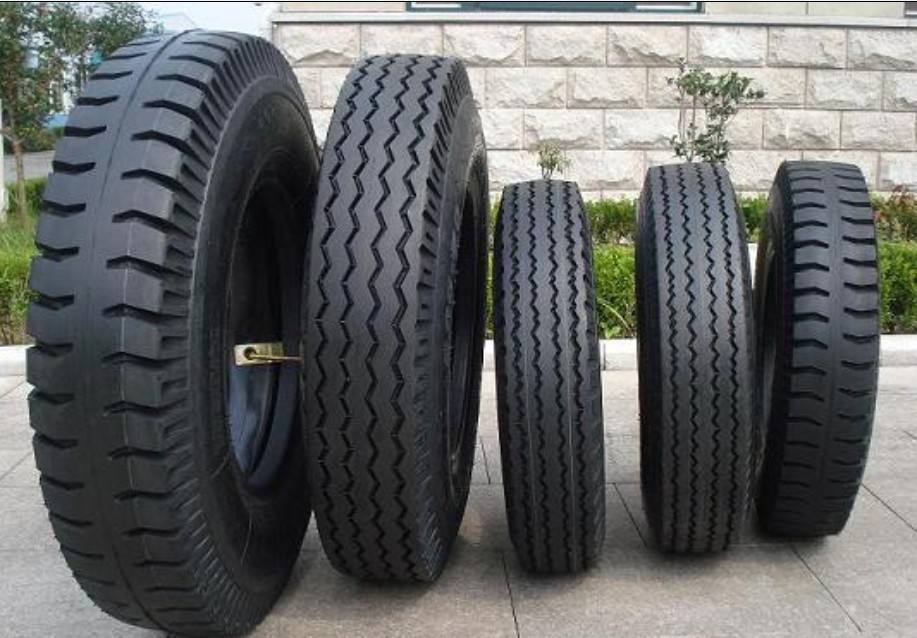
Zinc oxide acts as an accelerator in tire manufacturing, speeding up the vulcanization process. Its usage rate in the formulation is approximately 1~5%. Tires containing zinc oxide exhibit relatively good thermal conductivity and heat capacity. This facilitates heat dissipation during vehicle operation, enhancing tire thermal stability and reducing heat buildup that can lead to poor heat dissipation, thereby extending tire lifespan and improving driving safety.

2020-06-23
Zinc oxide manufacturer: What is the role of zinc oxide in coatings?
Zinc oxide is an alkaline compound that reacts with a small amount of free fatty acid to form zinc soap. Zinc soap thickens the coating and dissolves when it encounters inorganic acid or acetic acid.
2020-06-12
Introduction to Rubber Zinc Oxide Manufacturers: Advantages of Rubber Zinc Oxide
Zinc oxide for rubber is a fine powder with special small size effect and surface activation effect, and is an active additive. Zinc oxide for rubber has a larger specific surface area than indirect and direct zinc oxide, so it has high activity and good dispersibility in application. Compared with ordinary zinc oxide, zinc oxide for rubber has the characteristics of low content of heavy metals and other impurities, fine particle size, large specific surface area, high activity, easy dispersion, and excellent use performance, and is an alternative product of traditional zinc oxide.
Xingyuan Zinc Technology CO., LTD.
Address: Shandong Zouping County Changshan Town Houhuai Village
General Manager:+8618763028888 (Sun Dongsheng)
Sales Department:+86-543-4358888
Fax:0543-4850999
E-mail:xingyuanchem@163.com
Website:www.sdxyxy.com


扫一扫查看官方网站