

Zinc oxide ointment: A "miracle cure" for skin problems
2016-06-06
Zinc oxide ointment is an indispensable treasure in the hands of dermatologists, used in the treatment of various skin problems such as dermatitis, trauma, and ulcers. Recently, it seems to have been given more magical "functions." What exactly is zinc oxide? Zinc oxide has been used to aid wound healing since ancient Egypt, as evidenced by the Ebers Papyrus of 1550 BC [1]. Currently, many creams, ointments, and dressings used to treat dermatitis, trauma, and ulcers on the market use zinc oxide as a main ingredient, and it can also be found in sunscreen products. Many baby product companies also use zinc oxide as a
Zinc oxide ointment is an undisputed treasure in the hands of dermatologists, indispensable in treating skin problems such as dermatitis, wounds, and ulcers. Recently, it seems to have been given more magical "functions."
What is zinc oxide?
Zinc oxide has been used in ancient Egypt to aid wound healing, as explicitly recorded in the Ebers Papyrus of 1550 BC [1]. Currently, many creams, ointments, and dressings on the market for treating skin problems such as dermatitis, wounds, and ulcers use zinc oxide as a main ingredient; it can also be found in sunscreens. Many baby product companies also sell ointments with zinc oxide as the main ingredient as baby diaper rash cream or diaper ointment.
Zinc is an essential trace element in the human body, a vital component of metalloenzymes, regulatory proteins, and biomembranes. The zinc content in the epidermis is about six times higher than that in deeper skin tissues, and patients with zinc deficiency have slower wound healing than normal people [2]. Zinc oxide is a very stable white powder; it is insoluble in water and has the ability to absorb oil and moisture. In topical skin medications, it mainly plays a role in astringency, drying, and antibacterial effects. Studies have found that topical zinc oxide can promote wound healing by regulating multiple stages of epidermal wound healing (such as inflammation, fibrosis, and tissue remodeling). This effect is believed to be related to the slow, small, and continuous release of zinc ions [3]. The wound-healing promoting effect of zinc oxide is comparable to some expensive enzyme-based drugs [4], and it can also inhibit the damage of Staphylococcus aureus and Candida to the skin [5, 6]. In addition, zinc oxide is opaque and can reflect ultraviolet rays, so it is also commonly used in sunscreen and concealer cosmetics. Zinc oxide ointment or zinc paste, made by mixing zinc oxide with an ointment base, is one of the most commonly used drugs in dermatology.
What is the difference between zinc oxide ointment and zinc oxide-containing sunscreens and lotions?
Zinc oxide ointment is a topical preparation using oil as a base and containing no water. This preparation has a strong sealing effect and can promote the absorption of active ingredients. The oily base not only prevents skin moisture evaporation but also prevents external moisture from entering.
The base of products such as "creams" and "lotions" is an emulsion system where water and oil are mutually wrapped. A water-in-oil emulsion base is called a "lotion" or "emulsion" (Lotion), which tends to be more fluid, has weak moisturizing effects, and mainly plays a moisturizing role. An oil-in-water emulsion base is called a "cream" or "cream" (Creme), which is usually slightly viscous and has a stronger moisturizing effect, such as various moisturizing creams or cold creams. If the ointment contains a lot of solid components, it is called a "paste", which has hygroscopic and astringent effects.
Various topical formulations of zinc oxide ointment have the characteristics of being non-irritating and well-tolerated. The oily ointment base also provides isolation and moisturizing effects, so the FDA classifies it as a "skin protectant." That is, in cases of local skin damage, as long as there is no large area of exposed wounds or exudates and blisters, it can be used as an auxiliary drug to protect the wound and promote skin healing. However, since zinc oxide ointment does not have a specific therapeutic effect on any particular skin disease, if you suffer from severe skin diseases, you should seek medical attention and use the appropriate medication in time.
Skin Problem Little Helper
Zinc oxide ointment is almost non-irritating and has the effects of isolating moisture and astringency and antibacterial properties. It can indeed help us solve many minor skin problems. Infants, pregnant women, and the elderly can also use it safely.
Diaper dermatitis (also known as diaper rash or "red bottom") is a common skin allergy or inflammatory reaction in infants caused by the thin and tender skin being soaked in urine, feces, or secretions and stimulated by fabrics, etc. Because data supporting the safety of many topical drugs for infants is lacking, treatment options are very limited. Zinc oxide ointment can isolate moisture and irritants, astringent skin, and promote healing in babies with diaper dermatitis, thus having a therapeutic and preventive effect on diaper dermatitis, and therefore is used as the main ingredient in most diaper ointments [7].
Moreover, zinc oxide ointment has a wide range of uses for adult skin problems. For example, it has a certain astringent effect on plant-induced contact dermatitis, and it also has an auxiliary effect on intertrigo in the neck, armpits, and groin areas, subacute eczema, sun dermatitis, minor burns, minor abrasions, insect bites, frostbite, long-term non-healing of small wounds, and post-laser treatment care. Studies have also confirmed that topical zinc oxide ointment is beneficial for the healing of diabetic foot ulcers and pressure ulcers (also known as pressure sores, more common in elderly people who are bedridden for many years) [8]. With so many indications, zinc oxide ointment has earned the title of "universal medicine" and is a truly "must-have medicine for home travel".
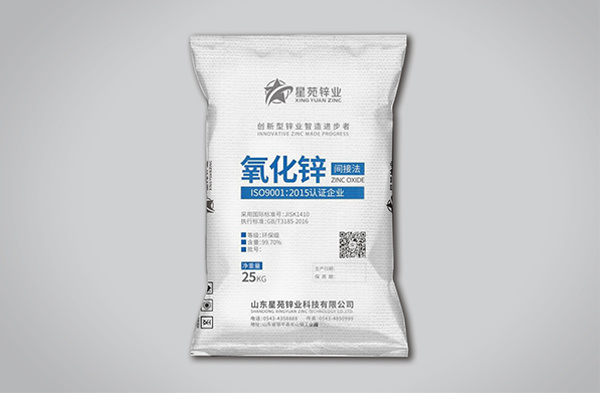
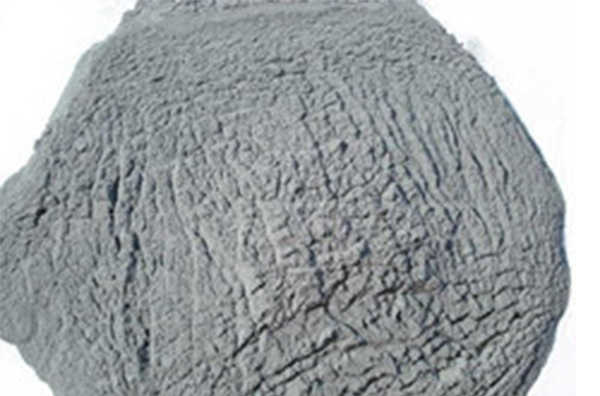
Xingyuan Zinc Technology CO., LTD.
Address: Shandong Zouping County Changshan Town Houhuai Village
General Manager:+8618763028888 (Sun Dongsheng)
Sales Department:+86-543-4358888
Fax:0543-4850999
E-mail:xingyuanchem@163.com
Website:www.sdxyxy.com


扫一扫查看官方网站