

Analysis of the Development Status and Prospects of the Zinc Oxide Industry
2016-06-01
The current situation of China's zinc oxide industry: Zinc oxide is an important branch of inorganic chemical zinc salts. As a basic chemical raw material, zinc oxide has a wide range of applications. With the development of science and technology, many properties of zinc oxide have been re-recognized. The characteristic functions of zinc oxide have been developed and used in new scientific fields and new industries, becoming an indispensable important basic chemical raw material and new material in national economic construction. For example, nano zinc oxide is known as a new material of the 21st century. Zinc oxide is mainly divided into indirect zinc oxide, direct zinc oxide and wet zinc oxide. It is mainly used in rubber electronics, medicine, coatings and other industries.
Current Status of China's Zinc Oxide Industry Zinc oxide is an important branch of the inorganic chemical zinc salt series. As a basic chemical raw material, zinc oxide has a wide range of applications. With the development of science and technology, many properties of zinc oxide have been re-recognized. The characteristic functions of zinc oxide have been developed and applied to new scientific fields and new industries, becoming an indispensable important basic chemical raw material and new material in national economic construction. For example, nano zinc oxide is hailed as a new material of the 21st century.
Zinc oxide is mainly divided into indirect zinc oxide, direct zinc oxide, and wet zinc oxide. It is mainly used in rubber electronics, medicine, coatings and other industries. In particular, high-grade products in the rubber electronics industry mostly use indirect zinc oxide with a purity of up to 99.7%; mid-range products use direct zinc oxide with a purity of over 95%; and oily coatings mostly use direct lead-containing zinc oxide.
The zinc oxide industry is an industry that has developed rapidly in the past 10 years. 10 years ago, there were not many enterprises producing zinc oxide nationwide, and enterprises with an annual output of 3,000 tons did not exceed 20. With the rapid development of the national economy, the domestic demand for zinc oxide has continued to increase, driving the development of zinc oxide production enterprises and continuously expanding production capacity. According to incomplete statistics from the past 5 years, the production capacity of indirect zinc oxide has risen from more than 100,000 tons to more than 300,000 tons; wet active zinc oxide has risen from less than 3,000 tons to 30,000 tons; the total production capacity of large-scale zinc oxide, including indirect zinc oxide and wet zinc oxide, has reached more than 1 million tons/year nationwide (those producing low-grade zinc oxide are not included in the statistics). At the same time, this is also an industry with a wide distribution, large quantity, miscellaneous raw materials, and extensive management technology. However, there is great potential in the recycling and utilization of zinc resources.
The reason why the production capacity of zinc oxide has increased rapidly in the past 5 years, especially the rapid development of indirect zinc oxide, is mainly due to the rapid development of China's automobile industry, expressways, power grids, home appliances, digital communications and other industries. For example, indirect zinc oxide is used in radial tires, and the production of radial tires has been growing at a rate of 25% to 30% per year in the past 3 years, exceeding 50% of the total tire production in 2005, leading to the rapid development of indirect zinc oxide. At the same time, international and domestic magnetic materials have also developed rapidly, and the production of soft magnetic materials in particular has become the world's largest production capacity, and China has become the world's manufacturing center for ferrite magnetic materials. In zinc-manganese ferrite, zinc oxide is the main raw material. In the manufacturing of mid-to-high-end soft magnetic materials, high-grade zinc oxide of the varistor grade produced by indirect methods is required. The development of magnetic materials has also promoted technological progress in the production of high-quality zinc oxide. The special functions of nano zinc oxide have once again triggered national research and development of nano zinc oxide, but there are only a handful of enterprises that can truly produce nano zinc oxide products. The research on functional zinc oxide and nano zinc oxide has indeed promoted the development and technological progress of the zinc oxide industry. With the continuous increase in the price of zinc ingots, and under the goal of resource utilization, resource saving, and cost reduction, the prospect of active zinc oxide is good. In recent years, wet zinc oxide has made significant progress, and this development trend is expected to continue for a long time.
Development Opportunities for China's Zinc Oxide Industry
2.1 Opportunities Brought by the Rapid Development of Related Industries
The rubber tire industry is the industry that uses the largest amount of zinc oxide, currently accounting for about 60% of the total amount of zinc oxide. This includes direct zinc oxide, indirect zinc oxide, and wet zinc oxide. By 2010, radial tires will basically maintain an annual growth rate of 20%. International first-tier tire companies are building factories in China. World-class multinational companies such as Michelin, Bridgestone, Pirelli, and Goodyear have basically completed their domestic layout. The demand for zinc oxide in high-end tires provides broad market development space for domestic zinc oxide production enterprises. Therefore, the prospects for domestic indirect zinc oxide, active zinc oxide, and direct zinc oxide with a content of over 99% are good.
The magnetic materials industry, which has developed rapidly in China, has had an annual growth rate of 28% in the past 5 years. As a new type of material, magnetic materials have a wide range of applications and good market prospects. In particular, zinc-manganese ferrite accounts for more than 60% of soft magnetic material production, and its zinc oxide consumption is relatively large. Domestic magnetic material enterprises are mainly dominated by private enterprises. However, high-end magnetic material products are basically monopolized by foreign enterprises. The output value of China's magnetic material industry is less than that of a large Japanese enterprise, such as NDK, Hitachi, and TDK. With the increase in research investment and the continuous development of high-end products in China's magnetic material industry, the demand for high-purity and high-quality zinc oxide will further expand, and domestic zinc oxide enterprises need to further improve their production scale, product quality, and technical level.
2.2 National Policy Orientation of the "Eleventh Five-Year Plan"
According to the national industrial policy orientation of the "Eleventh Five-Year Plan", China's expressways, railways, new rural construction, and power grids and other infrastructure projects still need to be accelerated, and the demand for zinc oxide in related supporting industries shows a stable growth trend. Catalysts, desulfurizing agents and other products required by China's energy industry, petrochemical industry, and fertilizer industry, as well as some emerging industries related to new materials, new energy, and new technologies, all use zinc oxide, which continuously expands the application fields of zinc oxide. Functional zinc oxides such as nano zinc oxide and active zinc oxide also have broad prospects in applications in varistors, pressure-sensitive ceramics, magnetic materials, and optoelectronics.
Although the total amount of zinc oxide has increased significantly in the past two years, the increase in the use of zinc oxide in the new materials industry is far greater than that in traditional industries. As the zinc oxide industry develops, it should target the new materials industry and high-tech industries to adapt to the development of China's science and technology. In some high-tech and new materials industries that use zinc oxide, there are not many domestic manufacturers that can produce high-quality zinc oxide series products, and even fewer are selected by foreign powerful enterprises. Opportunities should be seized to develop functional zinc oxide. The current trend of low-grade, single-product, and homogeneous vicious competition should be changed. 2.3 Seizing the Development Opportunities of Wet Active Zinc Oxide and Nano Zinc Oxide
Wet zinc oxide has gradually matured after more than 20 years of market cultivation. The development of national high-tech industries and the rise of various emerging industries have created a strong demand for active zinc oxide and nano zinc oxide. In particular, the domestic demand for active zinc oxide will experience sustained growth. This is mainly reflected in the catalyst and petroleum industries; secondly, in some special industries in the rubber industry and the automotive industry. In these industries, active zinc oxide has better performance advantages than ordinary zinc oxide. Active zinc oxide itself also has certain cost advantages. With the continuous increase in zinc prices, active zinc oxide has certain market competitiveness.
For active zinc oxide manufacturers, the key is to improve the production technology and quality assurance system of active zinc oxide. In particular, domestic enterprises with technological advantages should continuously develop a series of active zinc oxide varieties, combine with scientific research, be market-oriented, and regard active zinc oxide, high-purity zinc oxide, functional zinc oxide, and nano zinc oxide as the development direction of zinc oxide. In promoting the development of China's zinc oxide industry, we must not only seize the opportunities for market development and strengthen our own enterprises, but also break the monopoly of high-end products by foreign countries.
At present, there are few enterprises that can truly meet the quality standards of nano zinc oxide. The state has formulated quality and technical standards for nano zinc oxide products, which is conducive to standardizing and guiding zinc oxide production enterprises and promoting the healthy development of the market. It is believed that domestic nano zinc oxide will make a qualitative leap in the next two years.
Challenges facing China's zinc oxide industry
3.1 Challenges from resources
The zinc oxide industry is a resource-consuming industry. Direct zinc oxide consumes zinc ore resources, indirect zinc oxide consumes zinc ingot resources, and wet zinc oxide coexists with the recycling and consumption of zinc resources. Overall, the zinc resources consumed by direct zinc oxide and indirect zinc oxide account for more than 80% of the total zinc resources consumed by zinc oxide. Since zinc resources are non-renewable resources, and China's zinc resources are also relatively scarce, China has become a zinc importer in recent years. Although the consumption of domestic zinc resources is mainly in the galvanizing industry, due to the expansion of zinc oxide production capacity in the past five years, when the zinc price is high, it will restrict the development of zinc oxide enterprises.
At the same time, zinc oxide production is also an energy-intensive industry. From a market perspective, both direct and indirect zinc oxide manufacturers face the issue of "zinc prices," and market competition is inevitable. Enterprises with quality and technological advantages have a relatively relaxed market environment. From an overall perspective, zinc oxide manufacturers should strive to reduce production costs. For example, adopting advanced energy-saving measures to reduce unit energy consumption, adopting new technologies to improve the level of production process control, using new product development to improve product grades, gradually increasing the scale of enterprise production and industry concentration, and enhancing international competitiveness.
3.2 Competition from foreign high-end products
At present, domestic zinc oxide, whether it is direct zinc oxide, indirect zinc oxide, or wet zinc oxide, has relatively simple products and few varieties and specifications. Only a few enterprises have the ability to develop independently. Foreign nano zinc oxide has a relatively complete series of products, including two-dimensional and three-dimensional nano zinc oxide and multi-dimensional nanocomposites, while domestic functional nano zinc oxide multi-dimensional composite products are not seen. Functional zinc oxide has a wide range of applications, and most of the zinc oxide used in many high-tech fields is imported and monopolized by foreign countries. The zinc oxide we produce occupies the low-end market, and some wet zinc oxide has become raw materials for foreign reprocessing. On the one hand, it increases the consumption of zinc resources in China; on the other hand, it makes clothes for others. This status quo must be changed. The National Eleventh Five-Year Development Plan vigorously develops high technology and follows a sustainable development path. Strengthen the research of the zinc oxide industry, strengthen technical exchanges and the transfer of scientific research achievements, strengthen the connection between the zinc oxide industry and related industries, strengthen international exchanges, and promote the healthy development of the industry.
In summary, the zinc oxide industry is both a traditional industry and an emerging industry. China's zinc oxide industry should seize opportunities, face challenges, be proactive, use technology to improve the industry's level, develop new types of zinc oxide, develop high-performance zinc oxide with independent intellectual property rights, and continuously meet the needs of the rapid development of the national economy.
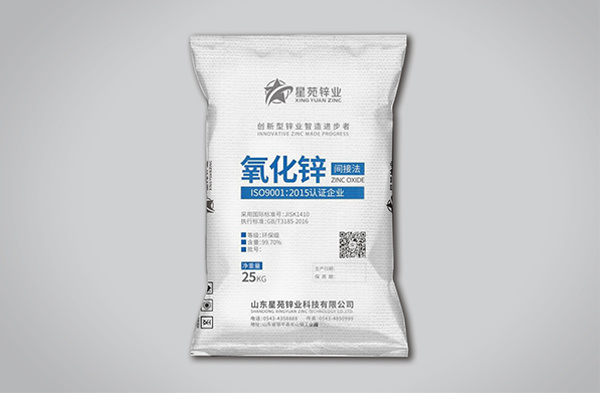
Xingyuan Zinc Technology CO., LTD.
Address: Shandong Zouping County Changshan Town Houhuai Village
General Manager:+8618763028888 (Sun Dongsheng)
Sales Department:+86-543-4358888
Fax:0543-4850999
E-mail:xingyuanchem@163.com
Website:www.sdxyxy.com


扫一扫查看官方网站