

What is the production method of indirect zinc oxide?
2022-11-25
What is the production method of indirect zinc oxide? The production methods of indirect zinc oxide can be divided into direct and indirect methods. Indirect zinc oxide, as the name suggests, is a product made through an indirect method. The indirect method usually uses zinc ingots as raw materials. Zinc ingots are converted into zinc vapor in a graphite crucible at a high temperature of 1000°C, and then oxidized by blown air to produce zinc oxide. The zinc oxide is collected after the cooling pipe to obtain zinc oxide particles. Zinc slag can also be used as a raw material. The content of heavy metals in different zinc ingots and zinc slag raw materials directly affects the content of heavy metal impurities in the product. Although the purity of the produced zinc oxide is different, the indirect method
What is the production method of indirect zinc oxide?
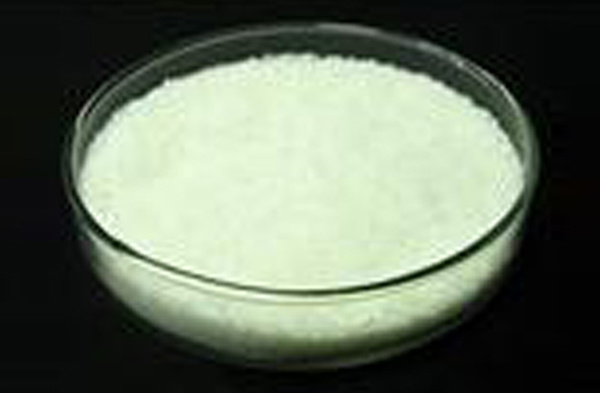
The production methods of indirect zinc oxide can be divided into direct and indirect methods. Indirect zinc oxide, as the name suggests, is a product made through an indirect method. The indirect method usually uses zinc ingots as raw materials. Zinc ingots are converted into zinc vapor in a graphite crucible at a high temperature of 1000 ° C , and then oxidized by blown air to produce zinc oxide. The zinc oxide is collected after the cooling pipe to obtain zinc oxide particles. Zinc slag can also be used as a raw material. The content of heavy metals in different zinc ingots and zinc slag raw materials directly affects the content of heavy metal impurities in the product. Although the purity of the produced zinc oxide is different, the purity of the zinc oxide product produced by the indirect method is 99.5%-99.7% . Direct zinc oxide mainly uses zinc ore, zinc ash, and zinc concentrate as raw materials. After high-temperature oxidation roasting, coal is added to reduce it to zinc vapor. The zinc vapor is oxidized with hot air to obtain zinc oxide. The product of this method has a high impurity content and 75%-95% low purity. Indirect zinc oxide is a metal oxide, which is a white hexagonal crystal or powder at room temperature, with a particle size of about 0.1-10 μ m , insoluble in water, but soluble in acids and strong alkalis, ammonia water, and ammonium salt solutions. Tasteless, odorless, and grit-free. It turns yellow when heated and turns white again after cooling. It sublimates when heated to 1800 ℃. ZnO 。
Meanwhile, indirect zinc oxide can react with strong alkalis to form soluble zincates, such as the reaction with sodium hydroxide: ZnO+2NaOH+H2O → Na2[Zn ( OH ) 4] When the temperature reaches 1975 ° C ,zinc oxide will decompose to produce zinc vapor and oxygen. Carbon can be used to reduce zinc in zinc oxide at high temperatures; zinc oxide can slowly react in fatty acids to produce the corresponding carboxylates, such as oleates and stearates. Zinc oxide can react with hydrogen sulfide. In industrial production, this reaction is usually used to remove hydrogen sulfide from mixed gases: acids and alkalis. Zinc oxide will cause a violent reaction when in contact with magnesium powder, aluminum powder, chlorinated rubber, and linseed oil, which may lead to fire or explosion. Ointments containing zinc oxide will produce hydrogen peroxide when mixed with water and exposed to ultraviolet light. Inhalation of zinc oxide dust can cause zinc castings to become hot. Symptoms include metallic taste in the mouth, thirst, dry throat, loss of appetite, chest tightness, dry cough, headache, dizziness, muscle soreness, high fever and chills, dilated pupils, conjunctival and pharyngeal congestion, facial flushing, diabetes, and sometimes hepatomegaly. A large amount of zinc oxide dust will block the sebaceous gland ducts, causing skin eczema. Severe cases may show pulmonary interstitial edema and alveolar epithelial damage.
Zinc oxide packaging containers need to be treated as hazardous waste to avoid release into the environment. Zinc oxide is highly toxic to aquatic organisms and may have long-term adverse effects on the aquatic environment. Indirect oxidation packaging is in cardboard drums or iron drums lined with plastic, and stored in a cool and ventilated warehouse. Keep away from fire and heat sources. It should be stored separately from acids, alkalis, magnesium powder, aluminum powder, chlorinated rubber, linseed oil, and food, and should not be stored, loaded, and transported together. The storage area should be equipped with appropriate materials to prevent leakage. Transportation precautions: The packaging is intact and the loading is stable during cargo transportation. During transportation, the containers should be free of leakage, collapse, falling, and damage. Mixing with oxidants is strictly prohibited. During transportation, sun exposure, rain, and high temperatures should be avoided.
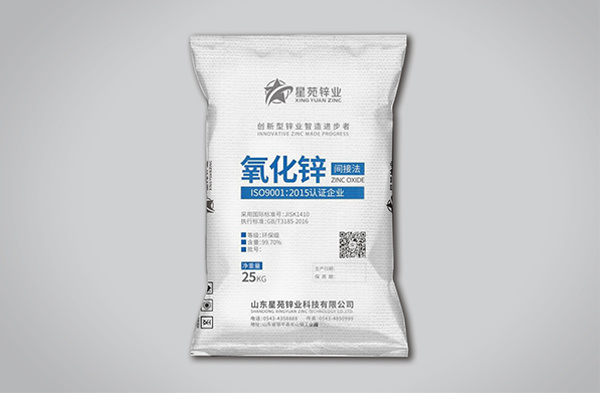
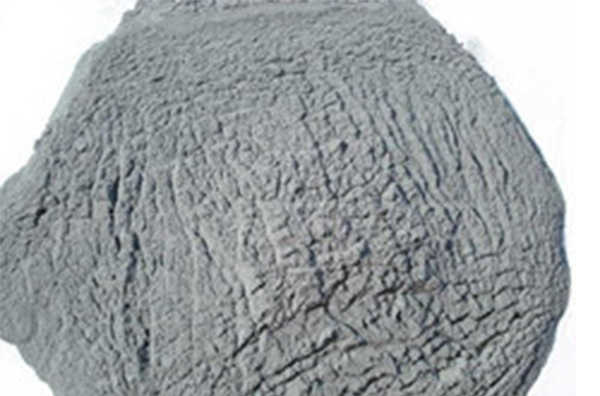
Xingyuan Zinc Technology CO., LTD.
Address: Shandong Zouping County Changshan Town Houhuai Village
General Manager:+8618763028888 (Sun Dongsheng)
Sales Department:+86-543-4358888
Fax:0543-4850999
E-mail:xingyuanchem@163.com
Website:www.sdxyxy.com


扫一扫查看官方网站