

What are the characteristics of indirect zinc oxide?
2022-12-06
What are the characteristics of indirect zinc oxide? Indirect zinc oxide is a widely used product that can be produced and prepared in the chemical and metallurgical industries. The difference is that chemical plants use commercial zinc as the main raw material for producing zinc oxide. In actual production, most enterprises use the indirect method to produce zinc oxide. With the continuous updating, development and improvement of zinc oxide production technology, the application of zinc oxide is becoming more and more extensive, the output is continuously increasing, and the production technology is continuously updated and upgraded. The industrial prospect of indirect zinc oxide is broad. Indirect zinc oxide is zinc oxide, commonly known as zinc white. Zinc oxide is a white solid, its chemical form
What are the characteristics of indirect zinc oxide?
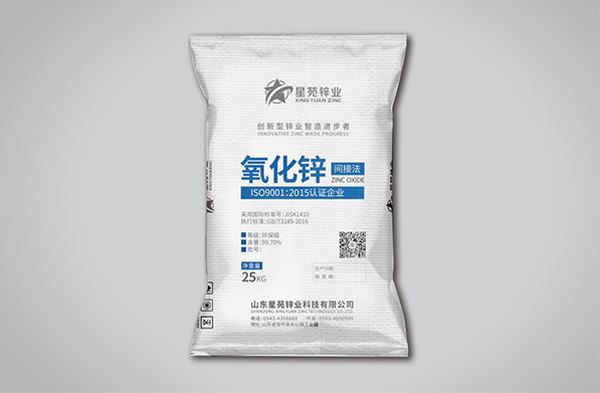
Indirect zinc oxide is a widely used product that can be produced and prepared in the chemical and metallurgical industries. The difference is that chemical plants use commercial zinc as the main raw material for producing zinc oxide. In actual production, most enterprises use the indirect method to produce zinc oxide. With the continuous updating, development, and improvement of zinc oxide production technology, the application of zinc oxide is becoming more and more extensive, the output is continuously increasing, and the production technology is constantly being updated and upgraded. The industrial prospect of indirect zinc oxide is broad. Indirect zinc oxide is zinc oxide, commonly known as zinc white. Zinc oxide is a white solid, its chemical form is ZnO . Insoluble in water, it may have long-term adverse effects on the aquatic environment and is very harmful to aquatic organisms. Therefore, zinc oxide and containers in contact with zinc oxide are strictly stored as hazardous waste.
Usually, the main forms of zinc are white powder and sphalerite. Zinc ore is usually yellow and red because sphalerite contains a small amount of manganese. When the temperature rises, zinc oxide crystals decompose to produce zinc vapor and oxygen. When zinc oxide crystals are physically heated, a small number of oxygen atoms will overflow from the crystals, causing the substance to appear yellow, and the crystals will return to their white state after cooling. If you want to reduce the zinc in zinc oxide, you can react it with elemental carbon at high temperatures. Zinc oxide can also react with strong bases to form soluble zincates, such as sodium hydroxide.
Indirect zinc oxide can also produce carboxylates, such as oleates and stearates, but zinc oxide reacts slowly in fatty acids. In industrial production, zinc oxide is used to remove hydrogen sulfide from mixed gases. When in contact with linseed oil, magnesium powder, aluminum powder, and chlorinated rubber, accidents such as fire and explosion may occur because they react violently through contact. Zinc oxide can also be mixed with water to generate hydrogen peroxide under ultraviolet light.
Indirect zinc oxide is a chemical additive commonly used in the metallurgical and chemical industries. The industrial extraction method is obtained by roasting zinc and sphalerite. Zinc oxide is usually found in sphalerite in nature. Zinc oxide is also a semiconductor material, commonly used in liquid crystal displays, thin-film transistors, and even in hollow glass, light-emitting diodes, and other products. At the same time, zinc oxide is also used in the production of batteries, cement products, plastics, ceramics, paints, sealants, adhesives, and other products.
Indirect zinc oxide crystals have the following different crystal structures: Under natural conditions, a single hexagonal wurtzite structure exists; at room temperature, when the pressure reaches the volume reduction of zinc oxide, zinc oxide transforms into a tetragonal salt mineral structure, and zinc oxide with a wurtzite structure can only stably exist on a cubic phase matrix. Usually, the oxygen atoms around each zinc atom combine to form a tetrahedral structure. Zinc atoms are arranged in a hexagonal close-packed manner. The tetrahedral surfaces are parallel to the positive electrode surface and the negative electrode surface, as well as the vertices of the tetrahedron.
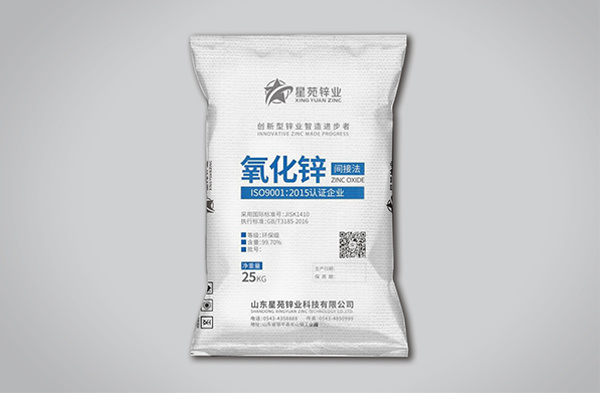
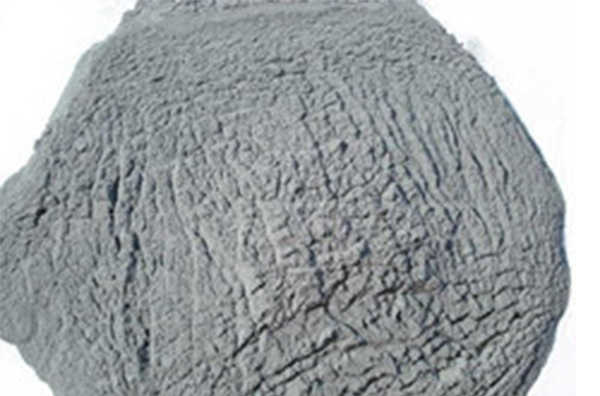
Xingyuan Zinc Technology CO., LTD.
Address: Shandong Zouping County Changshan Town Houhuai Village
General Manager:+8618763028888 (Sun Dongsheng)
Sales Department:+86-543-4358888
Fax:0543-4850999
E-mail:xingyuanchem@163.com
Website:www.sdxyxy.com


扫一扫查看官方网站