


These products are widely used in the rubber tire manufacturing industry

These products are widely used in paints and anticorrosive coatings
Products Used in Ceramic Manufacturing Industry
It is used in the fuel, glass, pharmaceutical, and other chemical industries.
2021-12-03
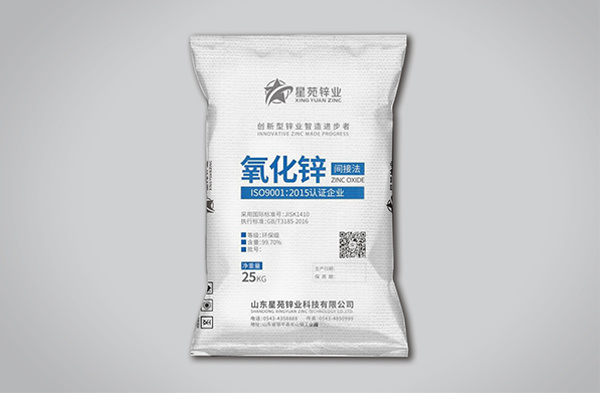
Zinc oxide manufacturer: What problems might arise during the use of zinc oxide?
Nowadays, zinc oxide is widely used in more and more industries, such as feed and cosmetics. Therefore, when using zinc oxide, we need to pay attention to the dosage of zinc oxide to avoid the opposite effect. However, most people do not know much about zinc oxide, so there may be many problems during use. Next, let's briefly talk about the application of zinc oxide in the engineering of...
2021-11-24
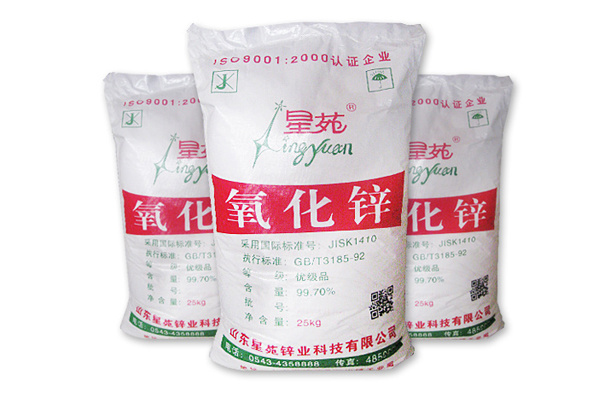
Development and market prospects of zinc oxide in phosphating fluid
Zinc oxide phosphide is a chemical additive widely used in the production of plastics, silicate products, synthetic rubber, lubricating oils, paints, ointments, adhesives, food, batteries, flame retardants, and other products. Currently, there are three main production methods for zinc oxide phosphide: the direct method, the impregnation method, and the indirect method. In recent years, the production capacity of zinc oxide phosphide has grown rapidly, especially the development of the indirect method of zinc oxide...
2021-11-18
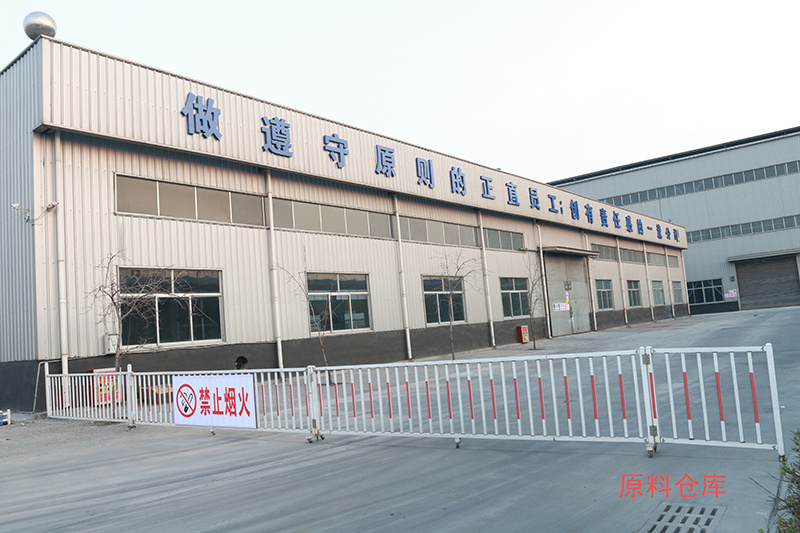
Detailed explanation of the flotation method for zinc oxide in phosphating solution
The enrichment of zinc oxide minerals and gangue minerals containing calcium, magnesium, and iron at room temperature has always been a challenge. Because the interaction between dissolved components and mineral surfaces alters the mineral surface, the flotation separation of gangue minerals containing zinc oxide minerals and calcite, dolomite, limonite, and other calcium, magnesium, and iron minerals is particularly difficult. Currently, most zinc oxide ore flotation uses a sulfidization flotation process...
2021-11-03
What are the applications of zinc oxide in phosphating solutions?
Zinc oxide is a stable compound that provides broad-spectrum ultraviolet protection (UVA and UVB) and also has antibacterial properties. It is a safe and effective ingredient in almost all sunscreen evaluations to date. Zinc oxide is also a well-known white pigment, commonly known as zinc white. Its advantage is that it does not turn black when it encounters H2S gas because ZnS is also white. When heated, it gradually changes from white to light yellow to lemon yellow, and the yellow color fades after cooling...
2021-08-31
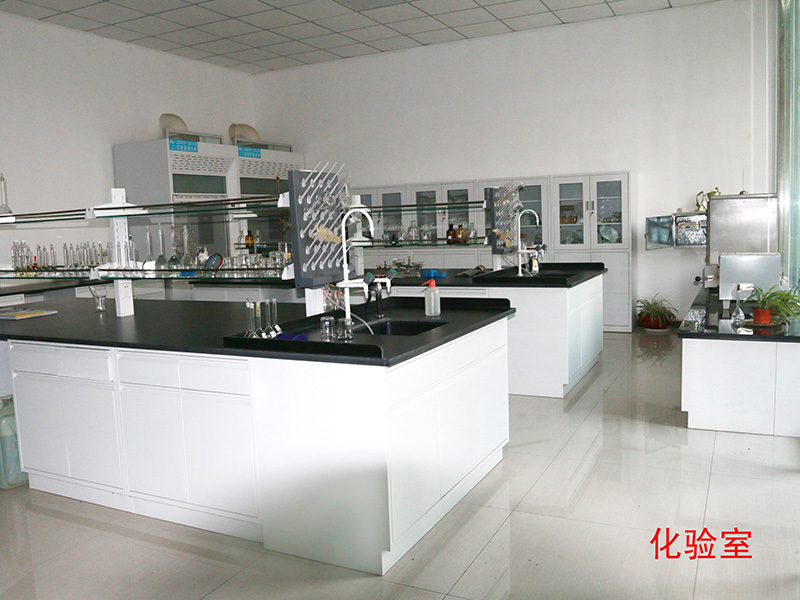
What are the roles of zinc phosphate in aquaculture and the coatings industry?
Zinc oxide is an alkaline compound that reacts with a small amount of free fatty acids to form zinc soap. When encountering inorganic acids or acetic acid, zinc soap usually thickens and dissolves the coating. In recent years, zinc oxide in phosphating liquid has rapidly grown due to its excellent nano-characteristics, and its application fields are becoming increasingly wider. The advantages of zinc oxide in phosphating liquid are that it can prevent diarrhea and promote the growth of weaned piglets. New research progress shows that its mechanism of action is achieved through multiple regulatory pathways.
2021-08-30
What is the function of zinc oxide in phosphating solution?
Zinc phosphate is a white powder, stable at room temperature, with good covering power and coloring power. It is insoluble in water and alcohol, but soluble in acids and alkaline ammonium salt solutions, and is an amphoteric oxide. It absorbs carbon dioxide and water in the air to form zinc carbonate, turning white. When heated, it turns yellow, and turns white again after cooling.
2021-08-24
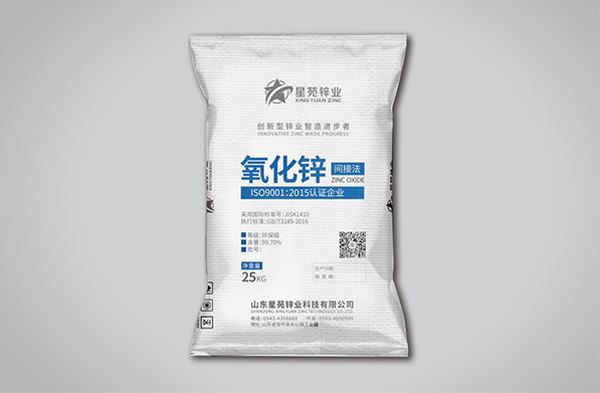
Applications, characteristics and functions of rubber-grade zinc oxide
Uses of rubber-grade zinc oxide: Used in the production of radial tires, rubber tubes, conveyor belts, bias tires, rubber shoes, rubber belts, latex gloves and other rubber products. Its product performance fully meets the requirements of national, Ministry of Chemical Industry and American ASTM standards. Physico-chemical properties of rubber-grade zinc oxide: White or yellow powder, density 5.606, melting point 1975°, an amphoteric oxide, soluble in acids and alkalis, insoluble in water or ethanol. Yellow at high temperatures, white after cooling.
2021-07-22
Zinc oxide production process, preservation method and application fields using indirect method
Production method of indirect zinc oxide: The production method of indirect zinc oxide is as follows: Electrolytically produced zinc ingots are placed in a high-temperature crucible and heated to 600-700℃ to melt. At a temperature higher than 907℃ (usually around 1000℃), the zinc is evaporated to form zinc vapor. The vapor is oxidized by oxygen in the air to generate zinc oxide. The oxidation process releases flashes of light, accompanied by a temperature drop. Subsequently, the zinc oxide particles are collected in a dust collection chamber through a cooling transport pipe, separated by cyclone separation, and the fine particles are captured by a bag filter to produce finished zinc oxide. This is the method for producing indirect zinc oxide.
2021-07-15
Introduction to the properties of zinc oxide
Zinc oxide is an inorganic compound with the chemical formula ZnO. It is an oxide of zinc, insoluble in water but soluble in acids and strong alkalis. Zinc oxide is a commonly used chemical additive, widely applied in the production of plastics, silicate products, synthetic rubber, lubricating oils, paints and coatings, ointments, adhesives, food, batteries, flame retardants, and more. With a large band gap and exciton binding energy, high transparency, and excellent room-temperature luminescence performance, zinc oxide is used in semiconductor applications such as liquid crystal displays, thin-film transistors, and light-emitting diodes. In addition, zinc oxide microparticles, as a nanomaterial, are also beginning to be used in related fields.
2021-07-07
Why can nano zinc oxide replace ordinary zinc oxide?
Compared with traditional zinc oxide products, nano zinc oxide has a larger specific surface area and higher chemical activity. It also possesses a series of unique properties such as antibacterial and bacteriostatic effects, deodorization, and enzyme prevention. Nano zinc oxide offers a higher cost-performance ratio than ordinary zinc oxide and has a wider range of applications. Today, the editor of Shandong Xingyuan Zinc Industry Technology Co., Ltd. will analyze why nano zinc oxide can replace ordinary zinc oxide in various industrial productions.
Xingyuan Zinc Technology CO., LTD.
Address: Shandong Zouping County Changshan Town Houhuai Village
General Manager:+8618763028888 (Sun Dongsheng)
Sales Department:+86-543-4358888
Fax:0543-4850999
E-mail:xingyuanchem@163.com
Website:www.sdxyxy.com


扫一扫查看官方网站